Sufis, Saints, and Birthdays
A week ago much of the Muslim world celebrated Mawlid al-Nabi or the birthday of the Prophet Muhammad. The Prophet’s birthday is a national holiday in most Islamic country where it is often celebrated in a carnival-like manner with parades and festivals. However, there are a couple of notable exceptions. Both Saudi Arabia and Qatar do not officially celebrate Mawlid due to their strict Wahhabi interpretation of Islam. In the 19th century Islamic fundamentalist movements, like Salafism and Wahhabism, began to push back against celebrations of Mawlid which they saw as modern innovations without precedent in early Islam. Along this vein, the patriarch of my host family here in Morocco was sure to remind me that Mawlid was not an Eid or feast because it is not in the Quran or the Hadith. Salafi and Wahhabi adherents are quite critical of Sufism and Sufis who are among those who often celebrate Mawlid fervently.
For the past five years I have taught Islamic and Middle Eastern history and Sufism is among the concepts that my students have the hardest time wrapping their minds around. Many of them see Sufis as another branch of Islam similar to Sunnis and Shi’a (Shi’ites). Most Sufis would see themselves and Sunni, with smaller numbers of Shi’a muslims adhering to one of the various Sufi orders. Sufism is an umbrella term used to refer to a host of Islamic subgroups that adhere to various mystical practices they associate with Islam. You see for Sufi, as with other mystical religious movements, the ultimate goal of religion is not strict obedience to the law or the learning of religious texts, it is to experience the divine. I often tell my students that a Sufi would argue that words are insufficient to describe God and his love for mankind so no amount of reading the Quran or obedience to the law will lead to understanding an God.
The Sufi path is focused around the relationship of teacher and pupil. In Sufism there are guides, who will help disciples engage in several practices such as the recitations of names of God (dhikr) and his attributes, rhythmic dance, meditation, etc. in order to experience God. Historically, the most prominent Sufis leaders become like saints and they are venerated throughout the Islamic world much to the dismay of the fundamentalists. Sufism runs deep in the veins of Moroccan Islam. The old medinas of historic Moroccan cities are littered with the mausoleums of marabouts (holy men) and zawiyas (Sufi lodges) and on the eve of Mawlid these lodges come to life as they prepare to commemorate the life of the prophet Muhammad and honor their marabouts.
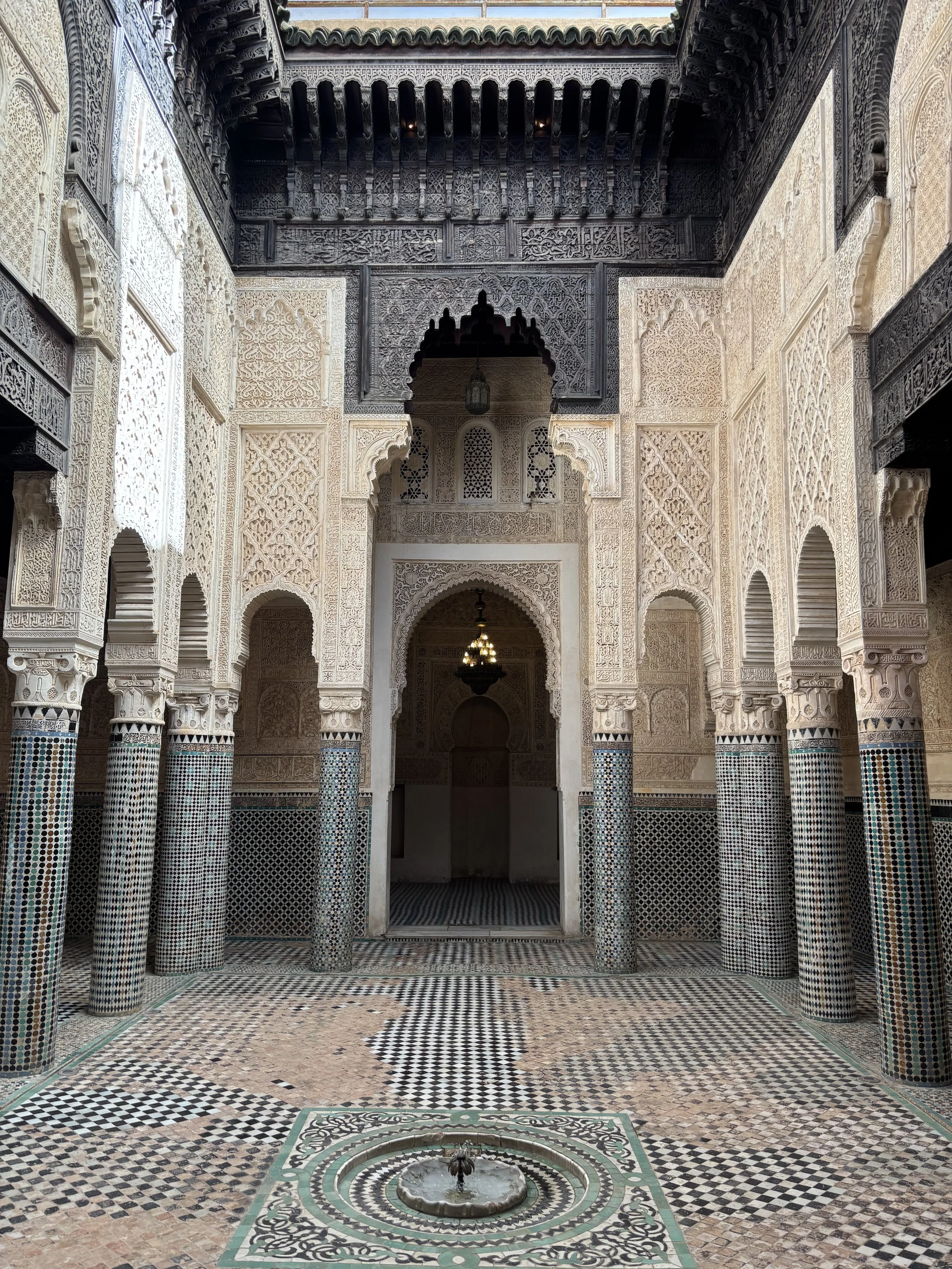
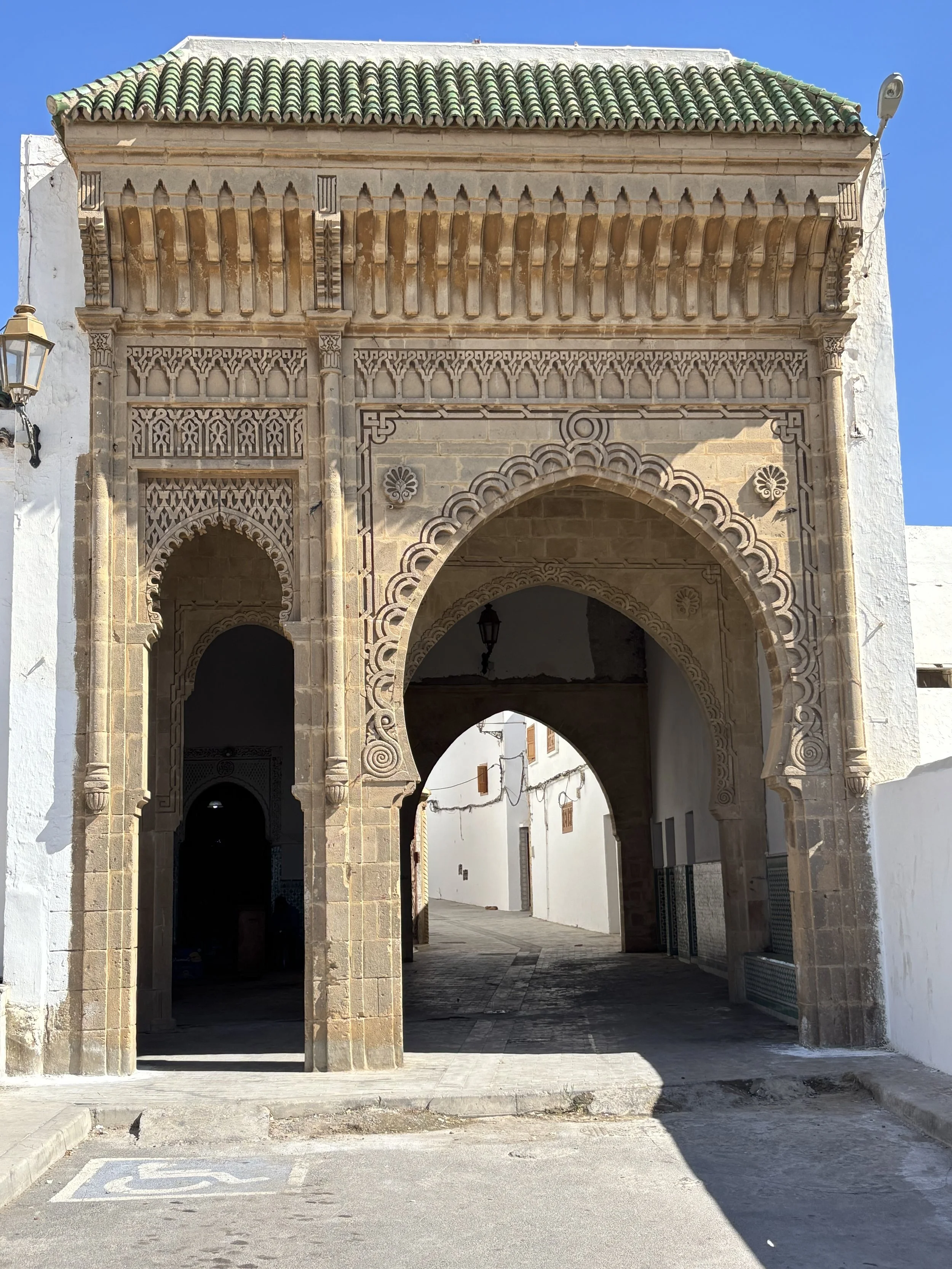
On the Tuesday before Mawlid, I took the opportunity to journey across the Bouregreg river to the city of Salé (often pronounced slaa) to visit its medina. Salé’s medina is filled with zawiyas and many of the Sufi orders carry out special celebrations on Mawlid such as the Procession of Candles. The city streets were relatively quiet as we walked through the city but even with the streets empty we could here the rhythmic chanting emanating from the zawiyas. At the mausoleum of Sidi Ben Ashir, the guardian invited us to sneak a peak into the main area of the mausoleum, while several Muslims came to pay their respects. Ben Ashir, also known as Al-Tabib (the doctor), was an ascetic who many believed could heal various maladies such as blindness and paralysis. Pilgrims still visit his shrine in the hopes that their supplications and devotions will heal themselves or a loved-one.


While many Moroccans celebrate the land’s Sufi heritage others shun it. While chatting about Iran with another Moroccan, he criticized the Shi’a practice of venerating saints and holy men before adding that some Moroccans do the same thing and that it is un-Islamic. This contention is not new, the Almoravids attempted to eradicate Sufism in Morocco and ultimately failed. Today most Moroccans who don’t care for Sufism do little more than vocalize criticism of the practices they see as un-Islamic. Moroccan tolerance continues to prevail in general.