
How to Follow Protests in Iran
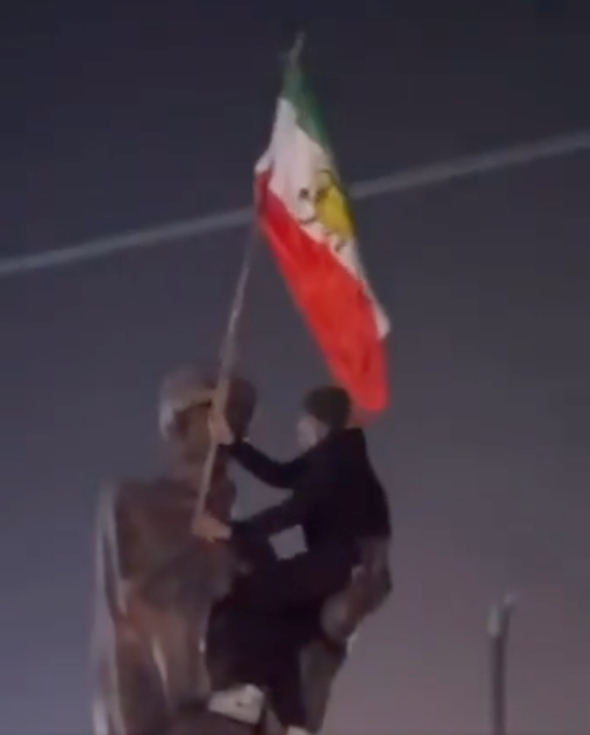
Roughly two weeks ago a sudden collapse in the value of the Iranian rial sparked protests in Iran. The protests quickly took on an anti-government tone with chants of “death to the dictator,” “we fight, we die, we take back Iran” and “neither headscarf no baton; freedom and equality,” among others. The protests have quickly engulfed Iran’s major cities and rival past outbursts of protests including those in 2009, 2018, and 2022. Over the past year the Iranian regime has weathered a devastating war with Israel (and to a very limited extent the US), a worsening water crisis, and a struggling economy. It is difficult to gauge the exact popularity of the regime in Tehran with much accuracy, but it is clear that support is quite limited, especially in certain neighborhoods across the capital. Given the blows to the Islamic Republic over the past years, many analysts are trying to discern how much more it can take before it collapses or splinters.

The King’s City and the many Moroccos
Shortly after returning home from Morocco last week, I chatted with a fellow professor who had visited me in North Africa. During our conversation he gushed about the city of Rabat and expressed shock that so many tourists ignore the Moroccan capital in favor of the touristy Marrakesh, historic Fez, or Bohemian Chefchaouen. After spending five weeks living in Rabat’s historic medina, I agreed with much of what he said. The city’s streets are clean and often lined with neatly pruned trees. Throughout the city one can find museums, malls, parks, and gardens not to mention beaches, fortresses, and Roman ruins. In some respects Rabat has a little something for everyone. Murals graced buildings throughout Rabat reflecting an artistic flare found in parts of the city. After a couple days in Rabat, I began telling friends and family that Rabat was the cleanest Arab city I had ever visited with the possible exception of Dubai (in many respects, Rabat felt much more authentically Arab than Dubai).