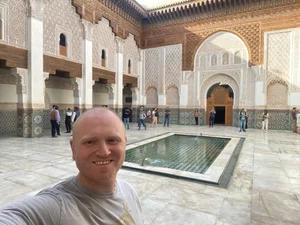
Bread without Salt
“A market without Jews is like bread without salt”
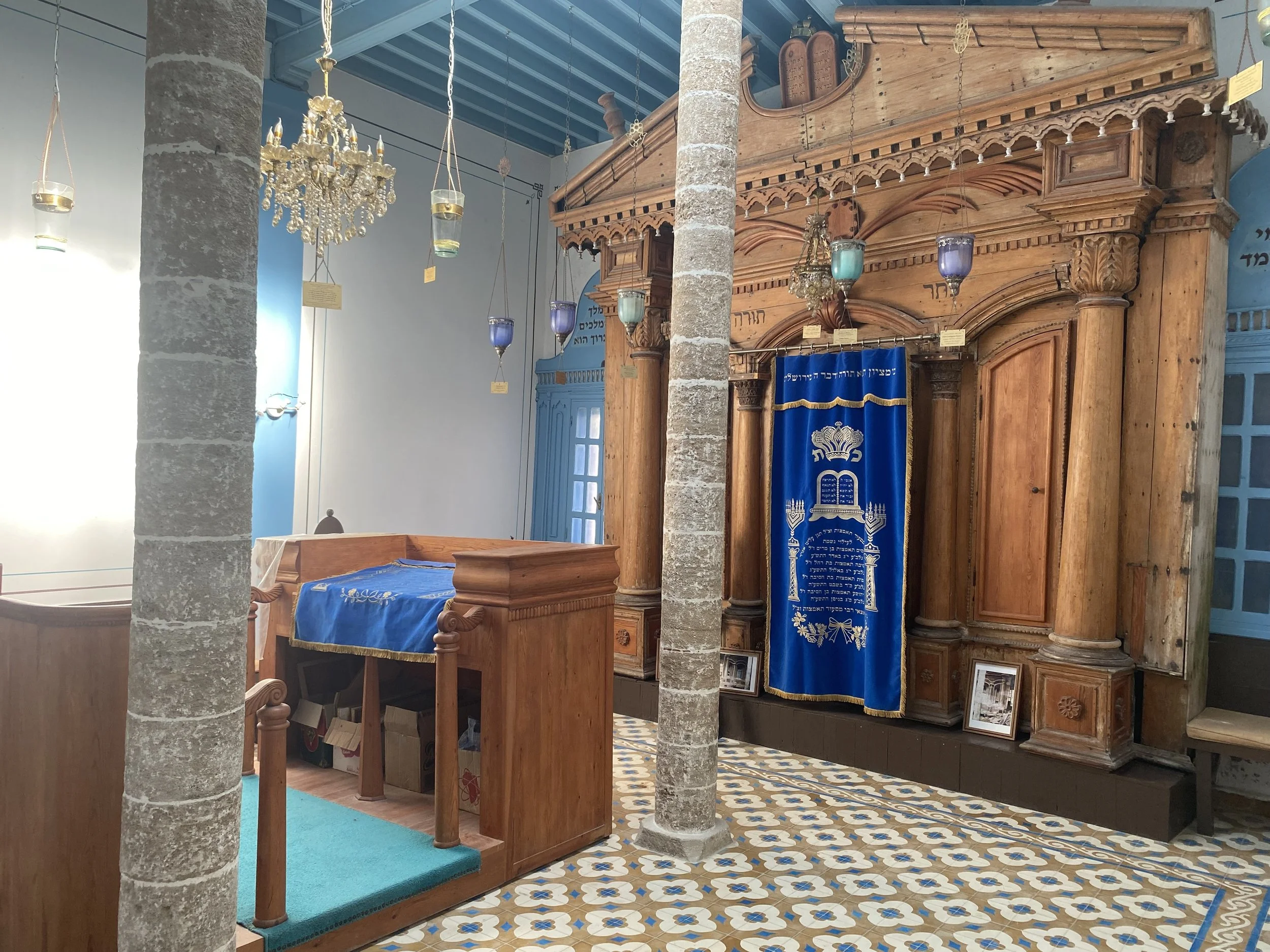
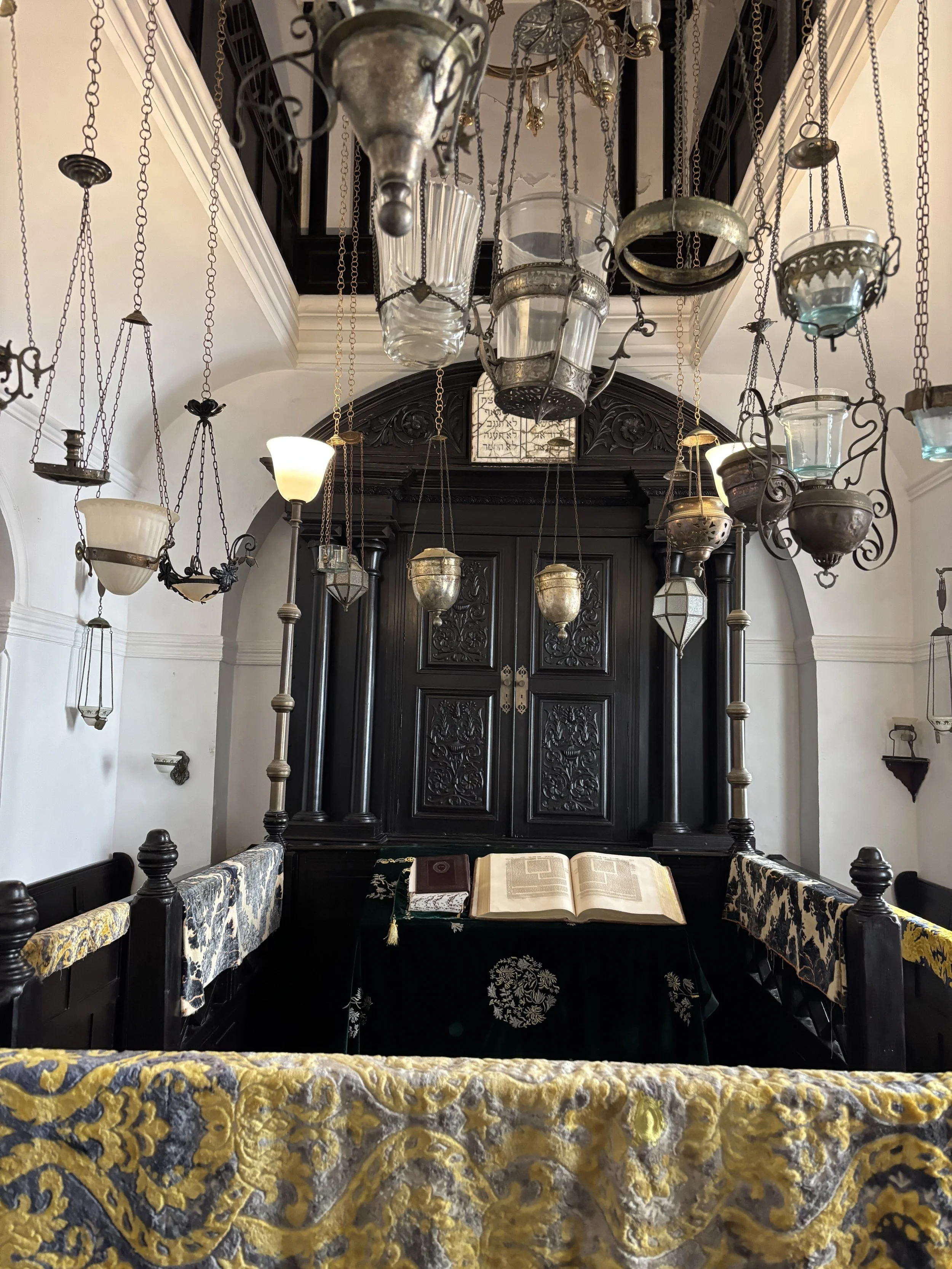
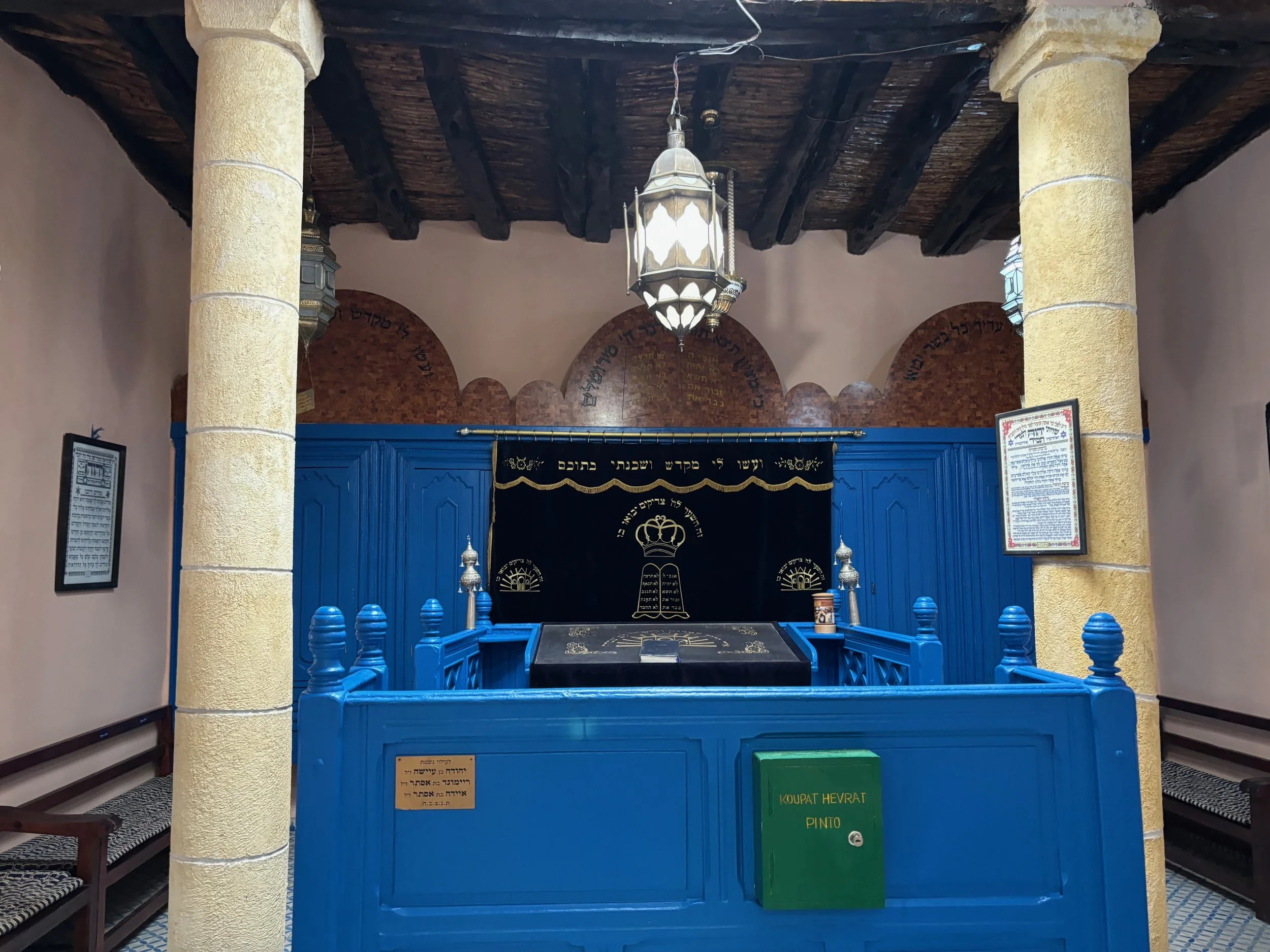
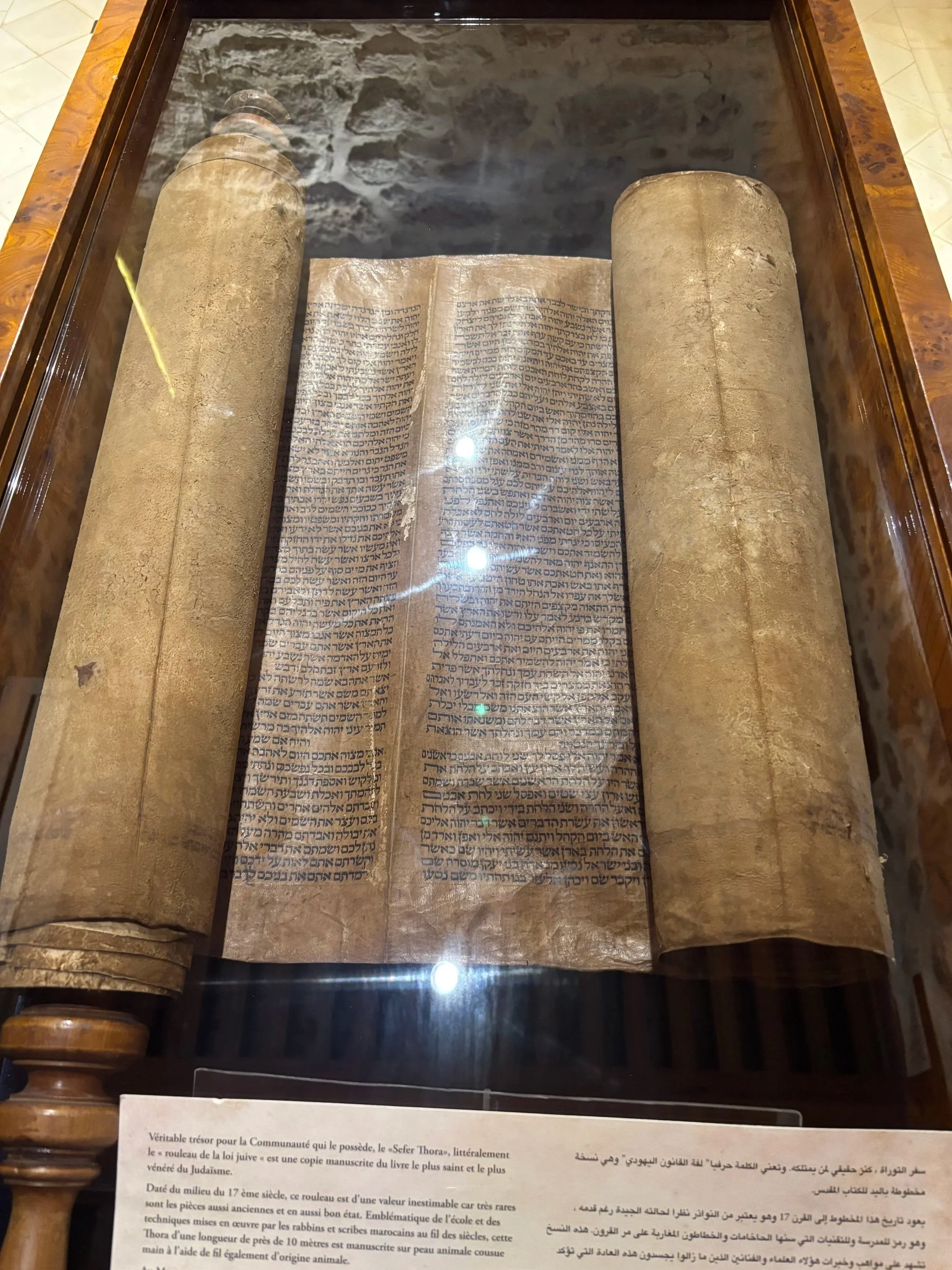
Less than twenty-four hours after my flight touched down in Morocco I found myself chatting with Leo, one of seven remaining Jews living in the town of Tetouan, at least by his own account. The encounter was a fortunate coincidence. While wandering the beautiful Tetouan medina (old city), I saw a sign for the Ishaaq bin Oulid Synagoge and after a little bit of exploring I found both Leo and the synagogue. Leo provided me with a brief tour of the building including its communal oven for Jews keeping kosher and its centuries-old Torah scrolls. Prior to visiting Tetouan, I knew that the city once had a significant Jewish presence, but I figured like almost all the country’s once significant Jewish community, it had disappeared sometime between 1948-1967. According Leo most of his extended family and friends migrated to Spain and France, but maintain close ties to Morocco. However Leo remained in Morocco as just one of roughly 3,000 Jews (mostly residing in Casablanca) who still call Morocco home and preserve a unique Jewish culture.
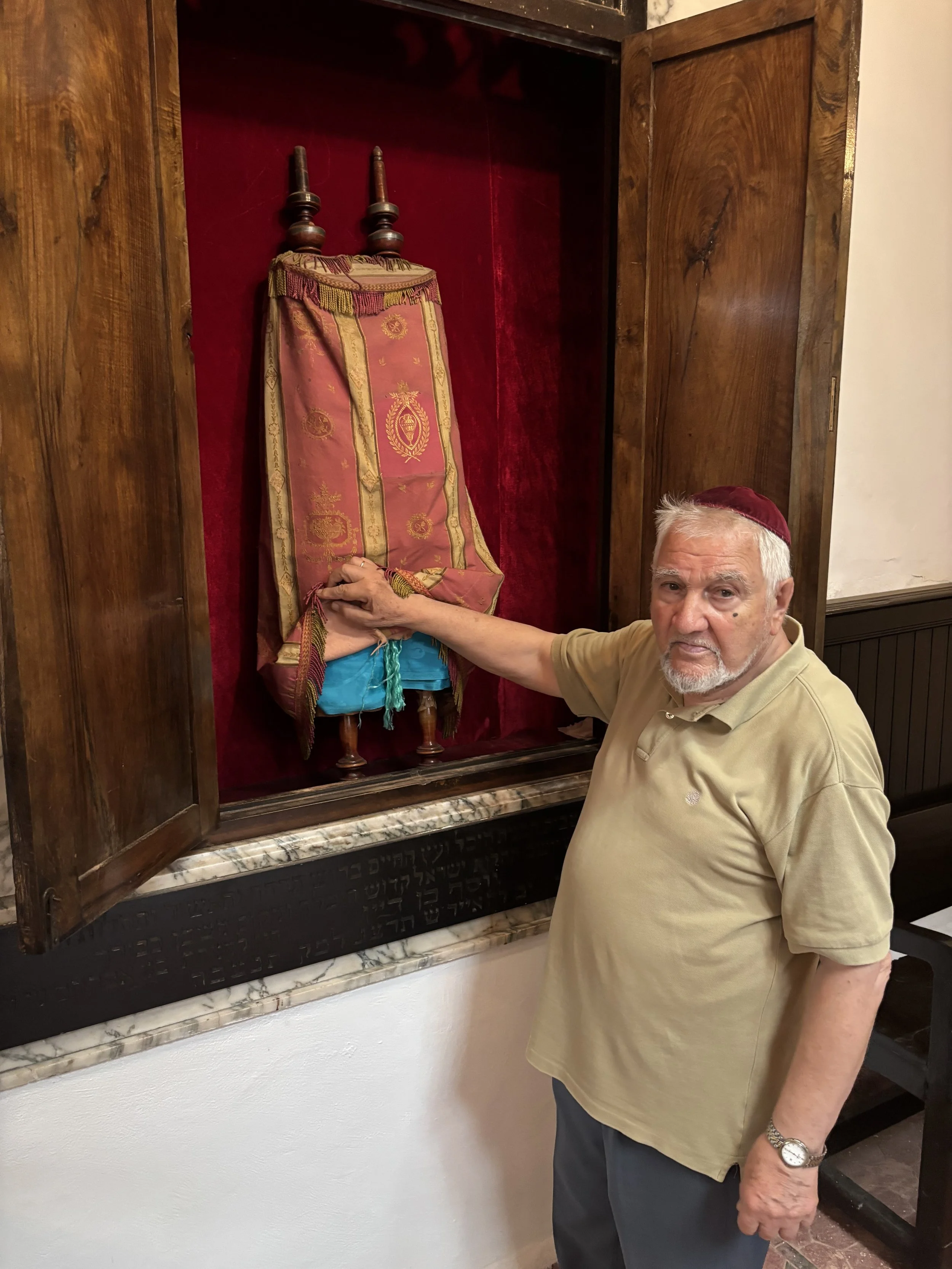
Leo, a native of Tetouan and one of seven remaining Jews in the city, proudly displays the synagogue’s centuries old Torah
Between 1948 and today, Morocco’s Jewish community shrunk from somewhere between 250,000-350,000 to somewhere between 2,500-3,500 with the most departing between 1948-1967. The departure of Morocco’s Jews coincided with the broader trend across the region of Mizrahi (and Sephardic) Jewish communities choosing emigration over remaining in their countries of birth. The causes of this movement are much more nuanced than is often presented as they are enmeshed in the Arab-Israeli conflict. The many books, such as Avi Shlaim’s Three Worlds, Ariel Sabar’s My Father’s Paradise, and Lucette Lagnado’s The Man in the White Sharkskin Suit, all provide a window into the varied Mizrahi experiences of the mid-20th Century. The disappearance of the Moroccan and other Mizrahi Jewish communities is best explained through the clash of tradition and modernity and the new identities and ideologies it spawned. There are plenty of lazy narratives of that highlight Islamic antisemitism, which did and does exist, but nowhere near the levels that it existed in 19th and early 20th Century Europe. However these narratives often ignore how deeply Mizrahi Jews were interwoven into the social and economic fabric of the Arab World and how nationalist, socialist, and colonial movements challenged their sense of identity and belonging in the Arab World while also producing competing identities and nationalities that marginalized the Mizrahi communities.
Jewish roots run deep in Moroccan soil
By the time the Arab armies brought Islam to Morocco’s Atlas Mountains in the seventh century, several Jewish communities were thriving in the region. These communities spoke the indigenous language (Amazigh also commonly known as Berber) while preserving the religious traditions that shaped Jewish life throughout the Mediterranean. The Medieval Arab scholar Ibn Khaldun even argued that the great 7th Century Amazigh Queen Kahina (also known as Dihya) was Jewish and led a tribe of Judaized Berbers. The exact timing of the Jews arrival in Morocco and North Africa more broadly is lost to history. The most common narratives say their arrival coincided with either the Babylonian conquest of the Biblical Kingdom of Israel in the sixth century BCE or to the First Roman-Jewish War around 70 CE. Archeological evidence places concrete evidence of a Jewish presence in Morocco to at least the 3rd Century CE.
Another wave of Jewish immigrants arrived in Morocco between 1300-1500 CE as Sephardi Jews fled the Iberian Peninsula during the Reconquista due to increasing persecution and ultimately expulsion with the Alhambra decree in 1492. In many cases the Sephardi Jews integrated into the existing Jewish communities in Morocco; however in some cases they maintained they maintained their own distinct culture. When European colonialism finally reached the remote town of Chefchaouen in the Rif Mountains, they found the Jews there speaking Haketia, a Judaized Spanish that had disappeared from Spain with its Jewish population.
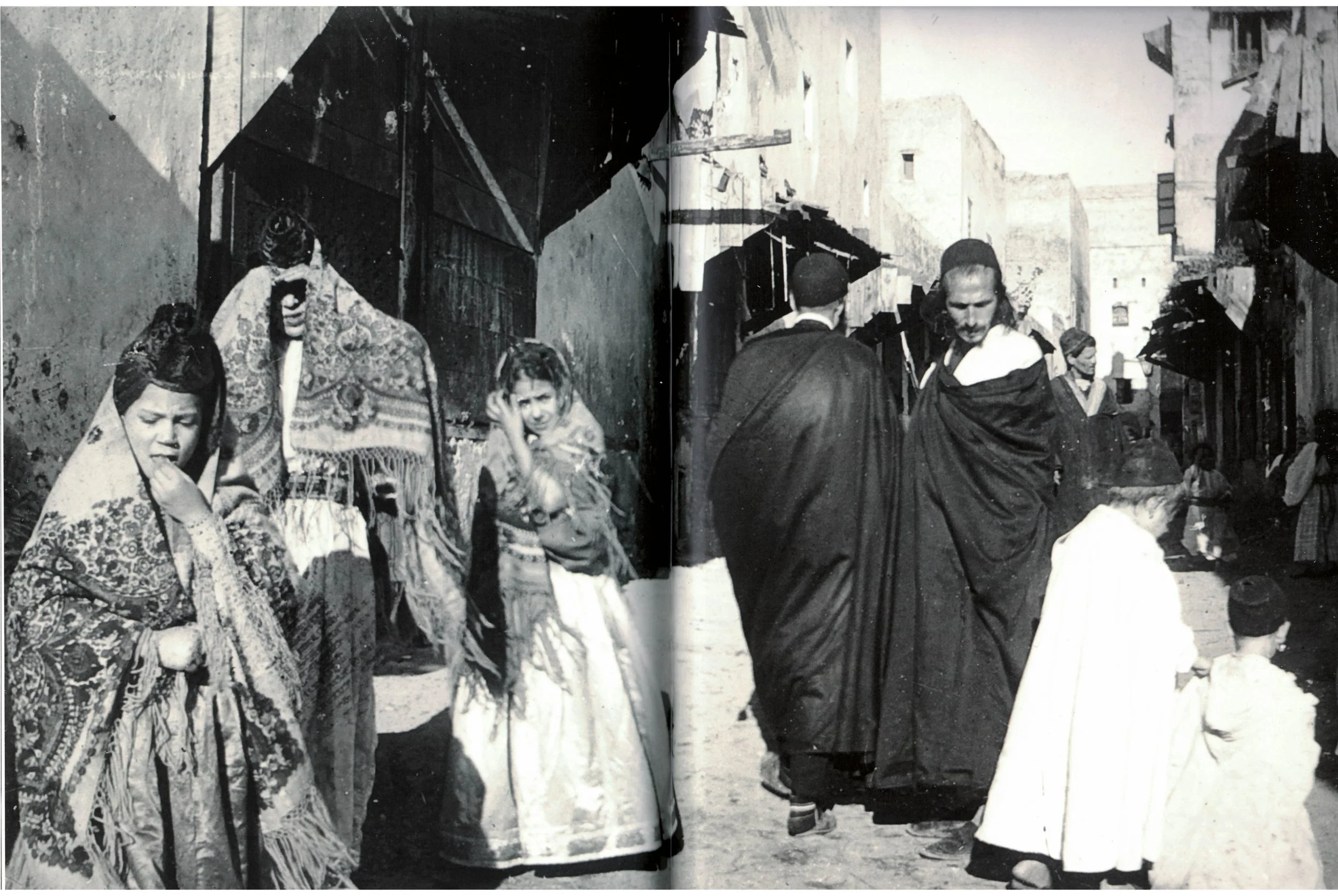
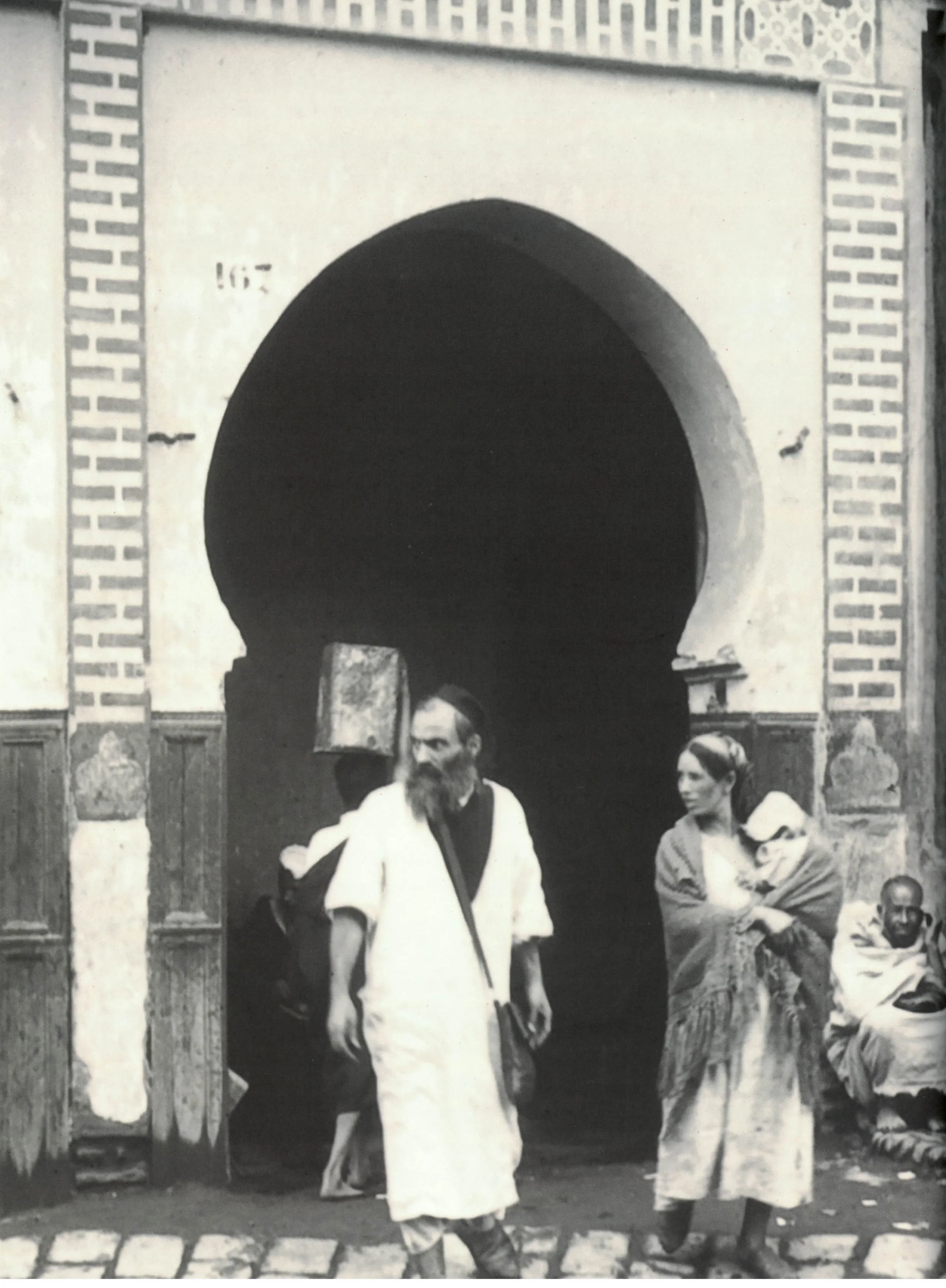
Under the Islamic-rule of the Sherifian dynasties that dominated Morocco for much of the past 500 years, Moroccan Jews enjoyed the protected status of the dhimmi. This generally meant they had greater rights than their Ashkenazi cousins in Europe, but this should not be mistaken for equality. From the 16th Century onward, Moroccan Jews predominantly resided in a mellah, or Jewish quarter, usually built next to a royal palace or administrative building. The social and political conditions were such that the prowess of Jewish merchants and craftsman attracted non-Muslims to the mellah on market days. Many successful Jewish merchants were able to parlay their business acumen into political influence, as it was common for Jews to hold positions within the royal court. However political jealousies could and did lead to outbursts of antisemitic violence like 1465 pogrom in Fez. In other cases, Muslim ruler’s actively recruited Jewish businessmen due the perceived economic benefit such as is seen in Mogador (today Essaouira) in the 18th Century.
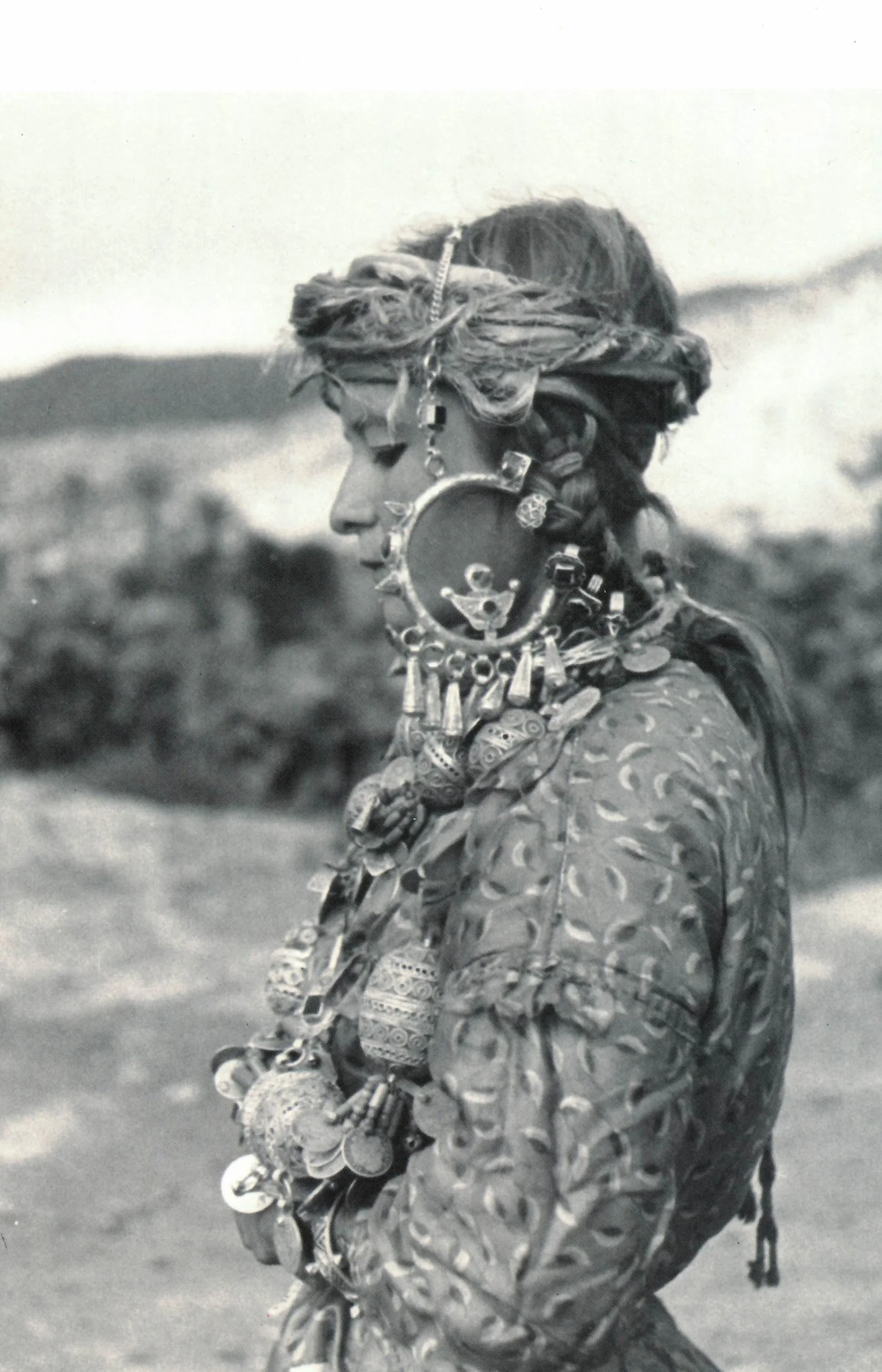
In rural Morocco, Jews played an important role as traveling peddlers especially in the mountainous regions of the interior. The services provided by these Jewish merchants were considered important enough that the Muslim tribes often extended protections to merchants to ensure their business. Ironically, these Jewish peddlers owed a portion of their success to the bias of their Muslim customers. Muslim men viewed their Jewish counterparts as less masculine and therefore they were not a sexual threat to a Muslim household. This allowed Jewish peddlers increased access to Muslim households and the female customers within. In this way, these merchants provided a service that a Muslim man could not without threatening the honor of the home. These merchants also provided a means of selling excess produce and goods to communities outside the orbit of their local villages. Like salt is to bread, Jewish Moroccans were an essential ingredient in Moroccan society.
Toward “Modernity”
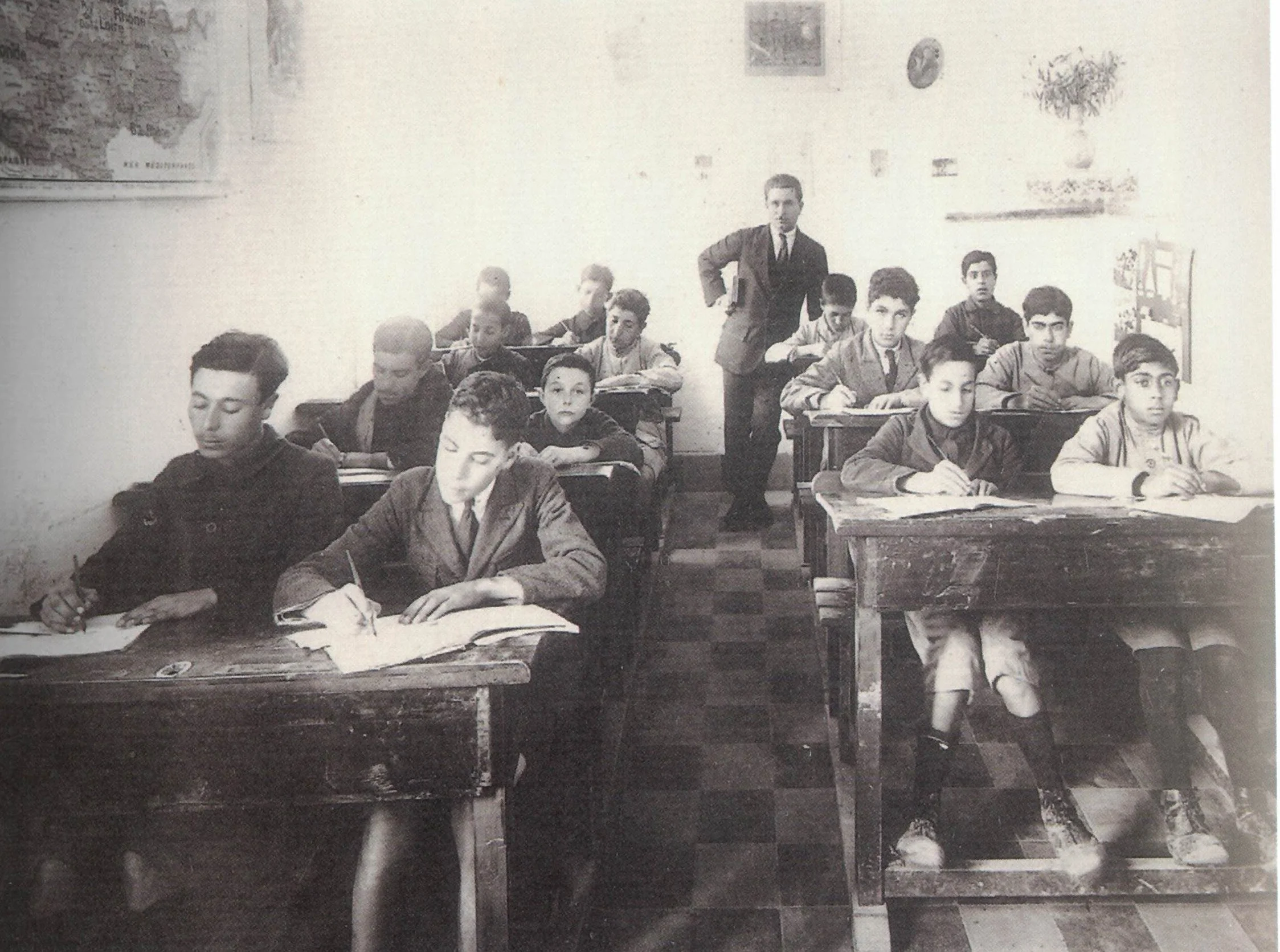
Colonialism and the encroachment of European influence into the lives of Moroccans created a rupture in the how both Jews and Muslims experienced the 20th Century. Prior to the mid-19th Century, much of the Moroccan interior was significantly insulated from the outside world. As outside influences began to penetrate into the Moroccan interior, Moroccans were exposed to new ideas, ideologies, and perceptions of identity. The arrival of the Alliance Israelite Universelle (AIU) in Morocco inaugurated a radical new experience for many of Morocco’s Jews. The AIU was established in 1860 in Paris to launch a mission civilisatrice for the Jews of the Middle East and North Africa (MENA). The means of achieving the AIU’s goals were primarily through education based on the French model. The first AIU school opened in the Moroccan city of Tetouan in 1862 and by 1900 dozens of AIU schools educated thousands of Jews across Morocco.
The AIU’s mission aimed to break the Mizrahi community of what it deemed to be backwardness and bring the “enlightened” values of Western Europe to the community. In other words the AIU saw as its mission to bring Jewish communities stuck in the past into the “modern” world. The AIU produced a system of acculturation to Mizrahi Jews in Morocco and the MENA more broadly bringing new modes of dress, career opportunities, and ideas concerning political, religious, and national identities. It also provided a point of departure from the traditional modes of life that had defined Morocco’s Jews for centuries. Through the AIU, many Moroccan Jews were among the first Moroccans to pursue highly specialized careers in fields such as modern medicine.
This system of acculturation proliferated under the French occupation of Morocco after 1912. With the French colonial administration the influence of the AIU expanded in Morocco and the graduates of the AIU often supported the colonial administration. Moroccan Muslims increasingly perceived many of their Jewish countrymen, with their adoption of European dress, attitudes, and language, as apart from the general population. For Muslims who experienced the effects of the AIU on the rural Jewish population, blame was laid at the feet of the French. In 2004, an elderly resident of the town of Akka expressed such in an interview of with the Moroccan anthropologist Aomar Boum saying:
“The French are the source of our problem with Jews. They convinced them to leave Akka to make us beg for their support and succeeded. You know in those days Jews had money. We farmed. The French knew that and convinced them to change, to go to school and leave their bled [village] for the city . . . The French were the cause of our problem with the Jews.”
Competing Identities and Politics
The 20th century brought no shortage of “modern” political ideologies to Morocco. Zionism arrived in Morocco as early as 1900 often through AIU channels. Arab and Moroccan nationalism, Islamism, and various flavors of Marxism all competed for Moroccan support often through the lens of opposing French colonialism. These ideologies introduced new and competing forms of activism, political mobilization and social identification. Likewise they contributed to new social and political divisions within Morocco.
The impact of Zionism on Morocco had a push-pull effect within the Jewish community. The Moroccan Jews’ responded to Zionism, as did many diaspora Jewish communities, with a mixture of hope, ambivalence, and disdain. Many saw themselves as fully Moroccan and had little desire to leave the only home they had ever known, while other’s gravitated toward the promises of national redemption seen in Zionism. Another fraction of the community embraced various ideological strands of leftism common in the inter-war Mediterranean. Moroccans in general, however, viewed Zionism through a much more skeptical lens. As Zionism spread in Morocco it aroused suspicions of dual Jewish loyalties, of conspiratorial plots, and fostered antisemitism within society. The most problematic development was emerging view that Judaism equated to support for Zionism. Historian Alma Rachel Heckmen writes in her book The Sultan’s Communists: Moroccan Jews and the Politics of Belonging:
“Moroccan Jews in particular could no longer be simultaneously pro-French, Communist, and Zionist as they could during the interwar period: the postwar world demanded harder political boundaries . . . matters on the ground were more inconsistent and fraught, as Morocco moved closer to the political orbit of the wider Arab world and support for Palestinian.”
As Heckmen notes, when Morocco emerged from World War II and grew closer to the tumultuous politics of Pan Arab nationalism, political and social identities narrowed and hardened in the country. For Morocco’s Jews this growing trend diminished avenues toward political belonging and raised questions of the Jews’ place within modern Moroccan society. Moroccan Jews, by and large, did not experience the same state-backed disenfranchisement as their co-religionists in Egypt, Iraq, Syria, etc did but they certainly felt a growing levels of discrimination and social stigma of being Jewish after the 1948 Arab-Israeli War and the creation of the state of Israel. Especially for Moroccan Jews already at the margins of society, growing discrimination increased the appeal of Zionism and emigration from Morocco more broadly. The competing forces of Arab nationalism that predominated the 1950s and 60s along with Zionism shared a similar message that marginalized the Jews’ place in modern Moroccan society. In 2004, Ibrahim Nouhi acknowledged how Arab nationalists politics contributed to the emigration of Moroccan Jews, saying: “Jews left for many reasons, economic, political, personal, and religious. But many left because we failed as nationalists to incorporate them even though we claim the contrary.”
The Monarchy and the Country’s Jews
Historically, the Moroccan monarchy has been in many ways the protector of the Jewish population. Moroccan kings and sultans employed Jewish advisors and advocated on the Jewish community’s behalf during periods of tension. During World War II, King Mohammed V pushed back against the Vichy French government’s efforts to implement new laws targeting Morocco’s Jews. With limited power the king, who ruled under French occupation until independence in 1956, publicly expressed his opposition to the Vichy administration’s antisemitic laws and even hosted Jewish notables in his court during the war.
After independence, King Mohammed V embarked on a path of moderation hoping to placate the fervor of Arab nationalist aspirations and preserve Morocco’s Jewish population. As part of this effort, the Moroccan government placed restrictions on Zionist activity within Moroccan and Jewish emigration to Israel. In the 1960’s Mohammed V’s successor, King Hassan II quietly began to develop closer ties with Israel. As early as 1965, Hassan II advocated in Arab summits for negotiations between Arab states and Israel and acknowledged that Israel was a reality that wasn’t going to disappear. Some scholars have argued that Hassan II’s stance toward Israel was shaped by “a particular vision of renewed Semitic brotherhood based on an idyllic Jewish-Arab past in Morocco and Muslim Spain” which could help lead to a revitalization of the Middle East (for more see: Politics and Power in the Maghreb by Michael Willis pp. 298).
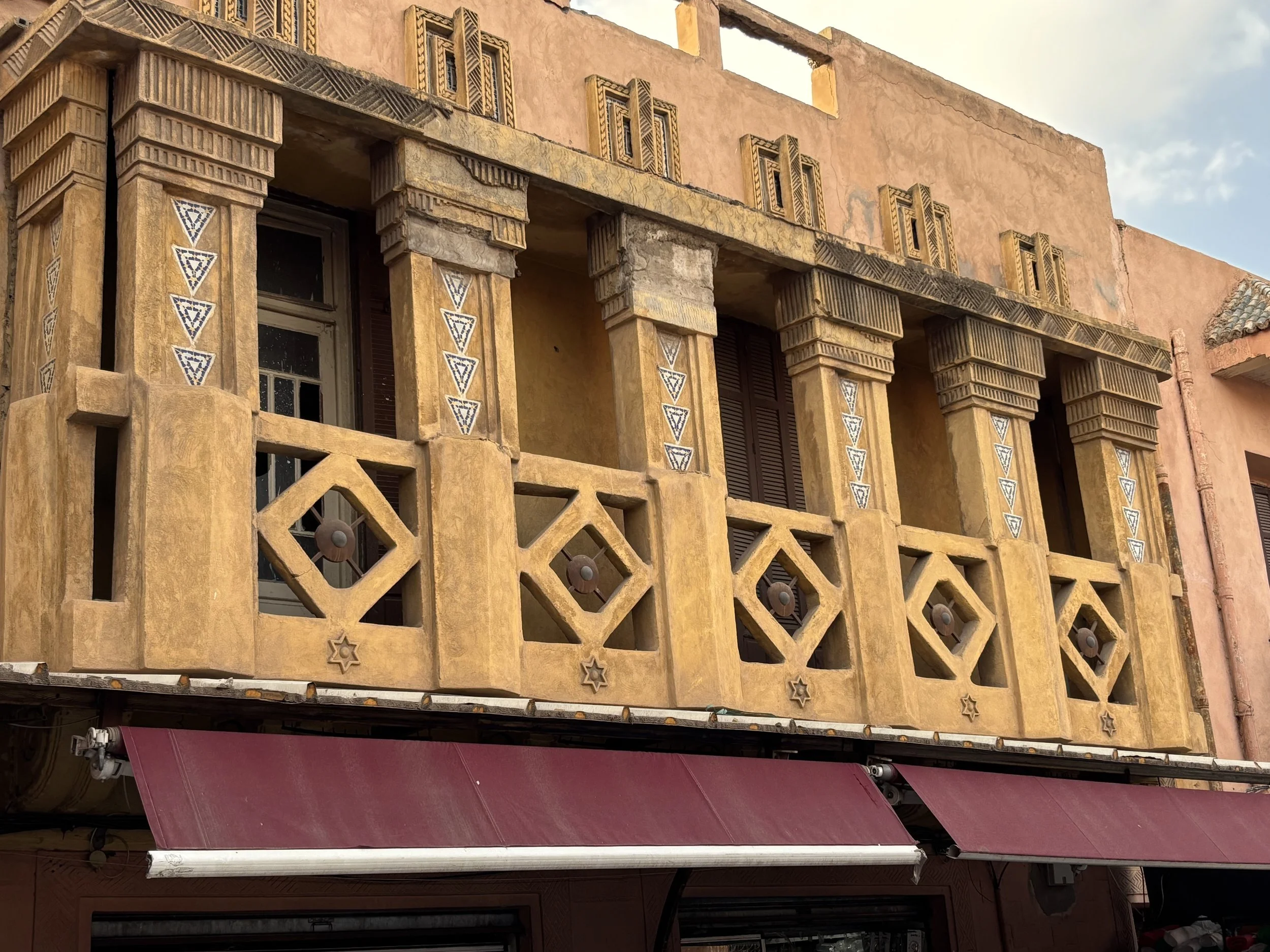
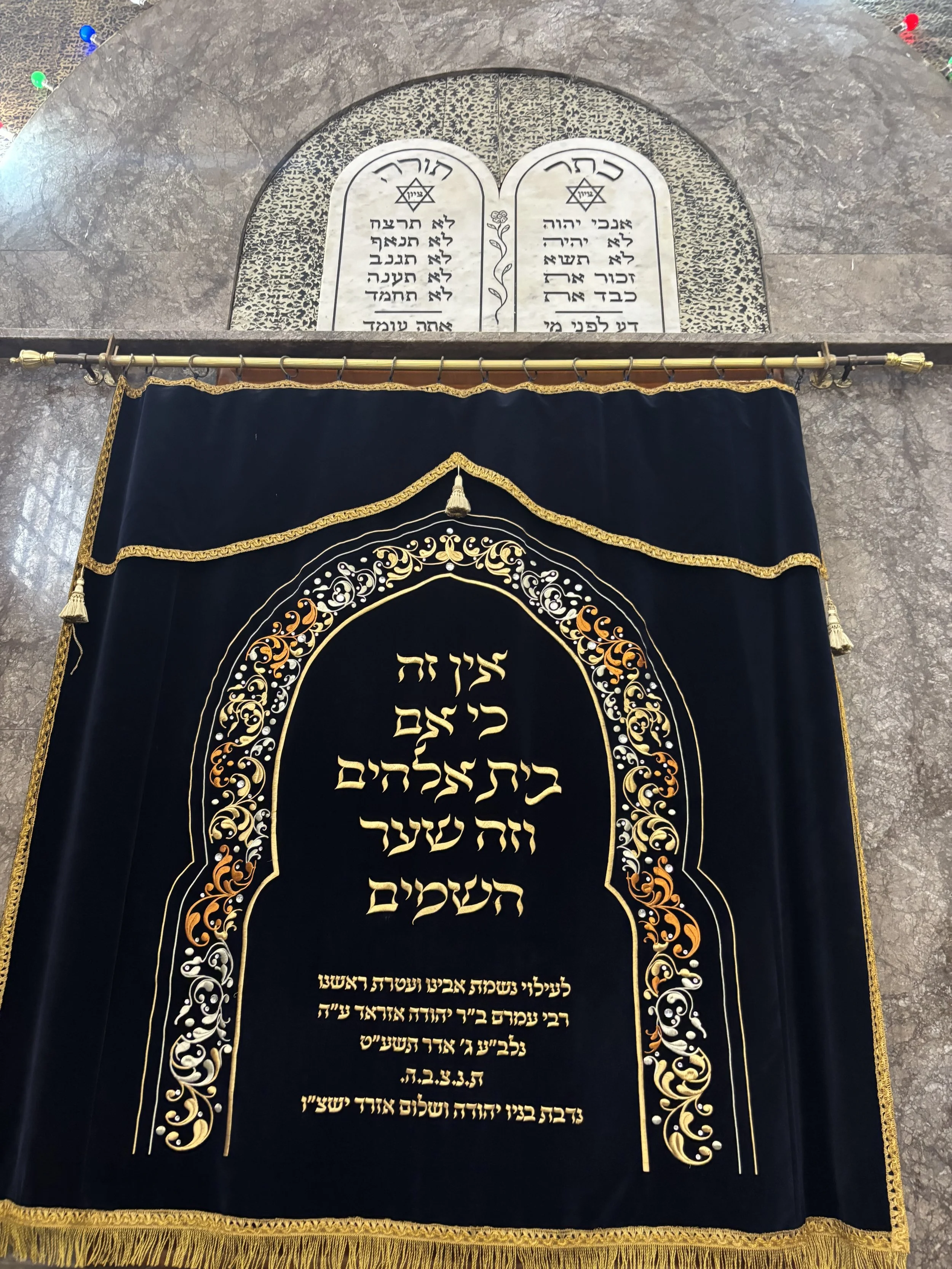
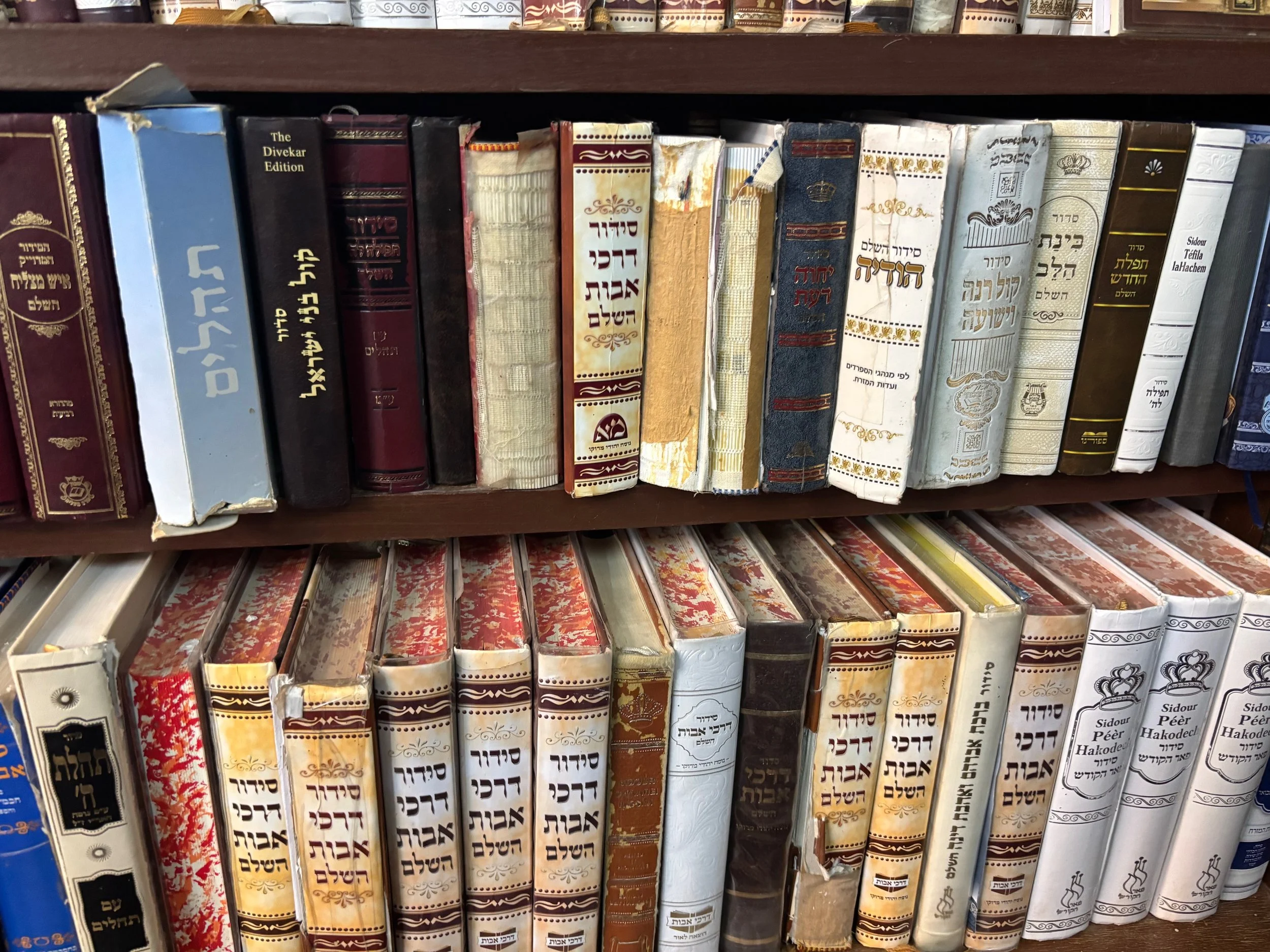
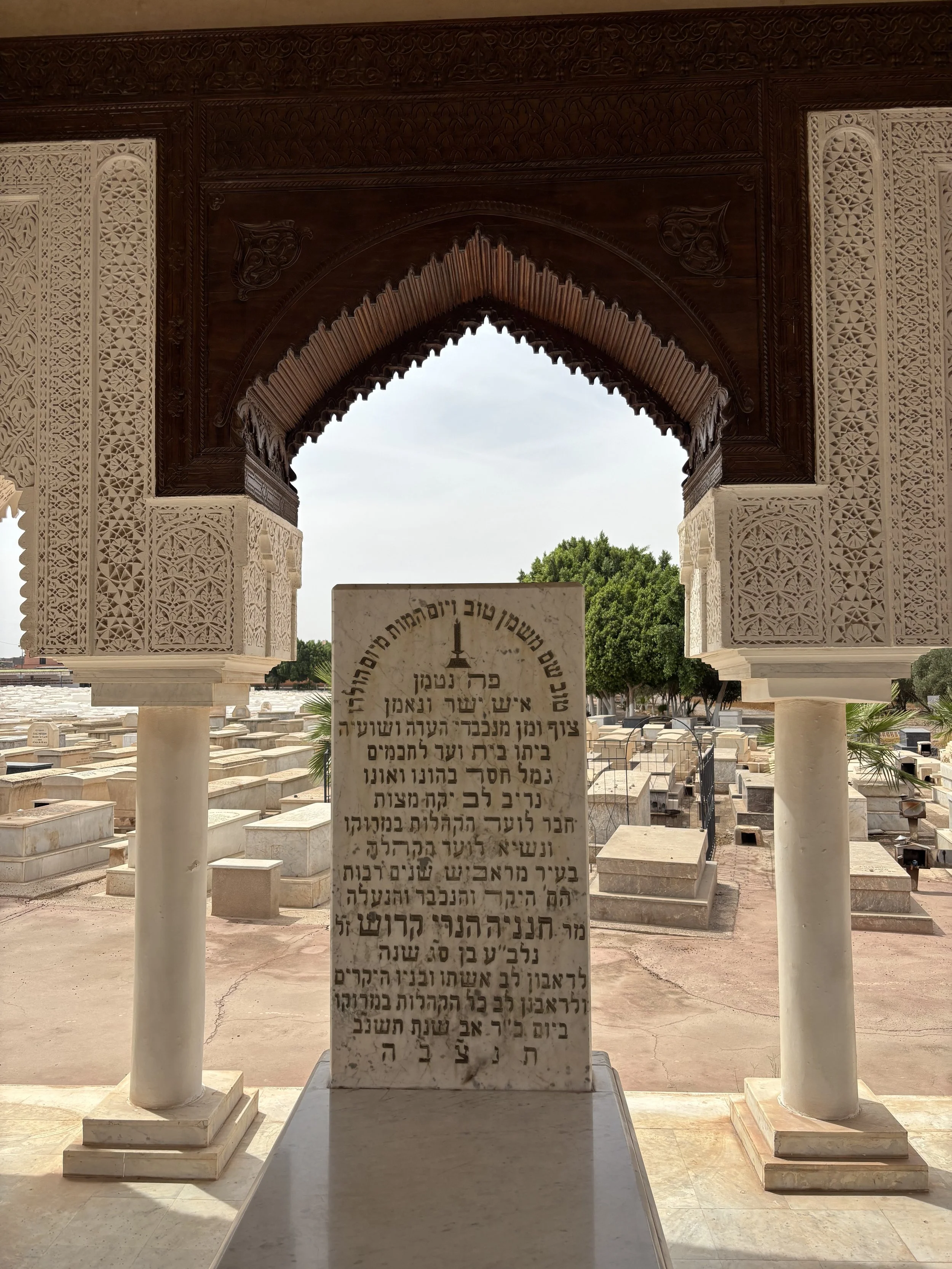
Under Hassan II’s rule, Morocco quietly collaborated with Israel on a number of issues including Operation Yachin. The joint venture between the Moroccan state and Israel’s Mossad facilitated the discreet emigration of roughly 95,000 Moroccan Jews to the state of Israel. In exchange, the Moroccan state received financial compensation along with intelligence cooperation and training. Israeli-Moroccan cooperation gave Mossad access to several Arab leaders and contributed to valuable intelligence that aided Israel’s victory in the pivotal 1967 War. For its part, King Hassan II and Moroccan intelligence enlisted Israel’s Mossad in their efforts to silence the opposition in Morocco. In 1965, Mossad located the Moroccan dissident Mehdi Ben Barka and helped Moroccan intelligence dispose of his body after his torture (for more see: Rise and Kill First by Ronen Bergman pp. 92-94).
Under King Hassan II’s rule, Moroccan Jews struggled to find a political home. Believing that the monarchy could no longer insulate them from the violence produced by the worst impulses of the Arab nationalist movement, many chose migration. Other’s stubbornly persisted, rejecting Zionism for the radical politics of the far-left. Moroccan Jews like Abraham Serfaty, Simon Levy, and Sion Assidon rose to prominence in Morocco’s leftist circles of the 1960’s-70’s only to become victims of the king’s repressive policies. In the 1970s as Arab Nationalism’s appeal cratered, King Hassan II crafted a historical narrative presenting Judaism and Morocco’s Jews as a vital part of the country’s history and evidence of a culture of tolerance and diversity. In spite of this narrative, King Hassan II’s policies contributed to the mass departure of Jews from Morocco in the Fifties and Sixties.
A Mixed Legacy
Morocco, perhaps more than any other Arab country today, boasts of its Jewish heritage. The Moroccan state has consistently supported the restoration and preservation of Jewish heritage sites throughout the country even in cities where the Jewish population has all but disappeared. Morocco is the only Arab country with museum dedicated to the country’s Jewish heritage. This commitment to Jewish the preservation to Jewish heritage contributes to the roughly 50,000 Israeli tourists who visit Morocco annually. However, all of this masks the country’s failure to preserve its Jewish community. In the words of a Moroccan university student the country’s “Jews are like a valuable mortgage that cannot be afforded. Moroccans talk a lot about their Jewish subculture to outsiders and boast about their history of tolerance; yet, they refuse to accept that Jews can be Moroccan citizens with full rights and obligations.”
Morocco’s efforts to promote its Jewish heritage is admirable. Yet as one wonders through the country’s empty mellahs and its past failure of the Jewish community is palpable. Synagogues without prayer, cemeteries without mourners, and markets withouts Jews provide a window to a lost past worth remembering but a past that is lost to history.