Three Films to Better Understand Iran
There is no shortage of coverage on Iran in the news today. Most but not all of this coverage revolves around the geopolitics and the tensions between Iran and its adversaries including the US and Israel. For those hoping for a deeper understanding of Iran and its people this rather one-dimensional portrayal can often feel lacking. Literature, film, and music are great ways to gain another perspective of cultures and peoples that are foreign to us. In recent decades Iranian cinema has earned high praise beyond its borders. Directors like Asghar Farhadi (A Separation) and Jafar Panahi (It Was Just an Accident) have achieved international success exploring themes of family, morality, truth, and doubt. Here are three Iranian movies that provide a deeper look into Iranian society and culture.
A Separation (2012)
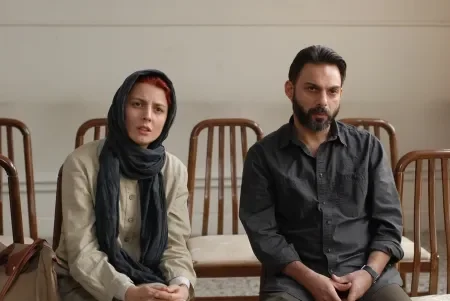
When Simim, seeking a better life for her and her family, decides to leave Iran for the West she upends the upper middle class lives of her husband and daughter. Simim’s husband Nader struggles with the decision to leave Iran as it would mean leaving behind his ill father for whom he is the primary caregiver. Believing that Iran offers little for her and more importantly her daughter, Simim files for divorce and custody of Termeh. Struggling to balance his commitments, Nader hires Razieh, a pious and impoverished woman, to help care for his father. The complicated relationships of the main characters causes one to question their motives, actions, and decisions throughout the film.
Director Asghar Farhadi is a master storyteller and A Separation may be his magnum opus. Throughout the film, Farhadi slowly peels back layers of his characters providing moral complexity and depth to each of them. Beyond the characters, he explores important elements of Iranian society such as class conflict, gender, and piety. A Separation won the Academy Award for best International Film in 2012 and is an excellent introduction to Iranian cinema.
It Was Just an Accident (2025)
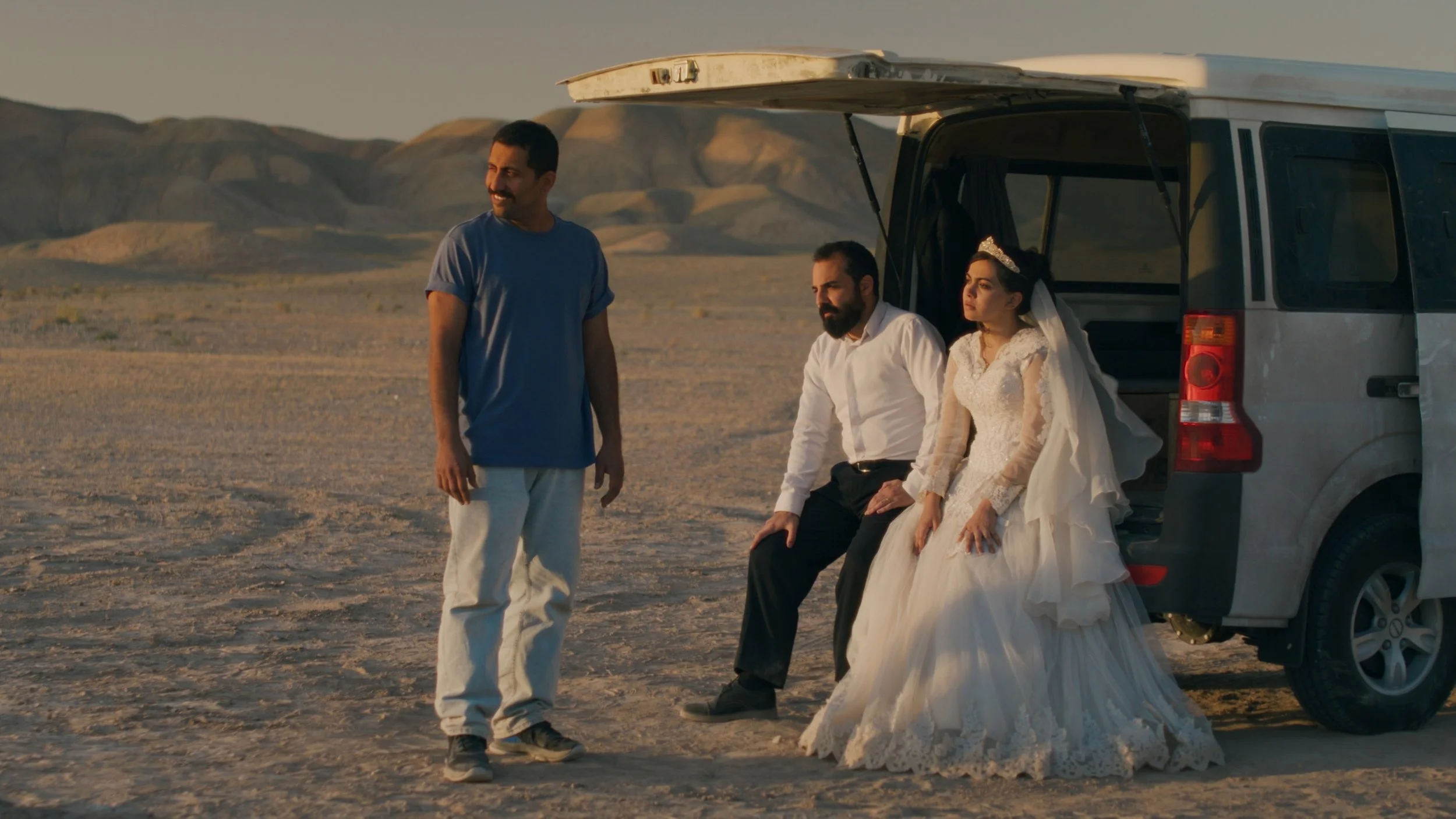
After a chance encounter, Vahid, a mechanic, believes he has found his prison torturer, Iqbal “the peg leg.” The next day Vahid follows the man he believes to be Iqbal, kidnaps him, and drives into the desert with the intention of burying the man alive as an act of revenge for the suffering he caused him in prison. In the course of burying the man, Vahid begins to doubt the man’s identity after inspecting his prosthetic leg. Searching for certainty, Vahid enlists other victims of Iqbal’s cruelty to ascertain the identity of his hostage.
Acclaimed Iranian director Jafar Panahi’s latest film was up for an Academy Award and was widely hailed for its brave storytelling and rebuke of authoritarianism. The film’s characters wrestle with their own ideas of justice, revenge, and ultimately mercy. At its core the film ultimately asks the audience: Can we defeat such a brutal authoritarian regime without compromising one’s morality and values?
Children of Heaven
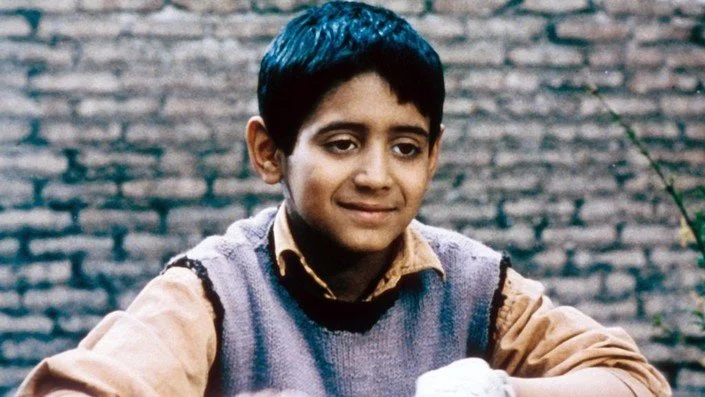
When nine year-old Ali, a boy from a poor family, misplaces his sister’s shoes after picking them up from the cobbler’s shop he and his sister, Zahra, conspire to keep it a secret from his parents to spare them from undue financial stress. In order to maintain their secret Ali and Zahra must share Ali’s only shoes which proves challenging due to their school schedules. The plot is simple but entertaining.
Majid Majidi’s 1997 film was among the first to gain wide acclaim outside Iran’s borders and was the product of a period of political moderation within the Islamic Republic. The film does not deal with politics, but rather an exploration of family and the innocence of childhood.
If fiction isn’t really your thing, Frontline produced a two-part documentary featuring Dutch journalist Thomas Erdinkbrink called Our Man in Tehran several years ago. As one of the last foreign journalists working in Iran, Erdinbrink provides a fantastic look into Iranian society.