Convivencia, Reconquista, and Romanticism
For many students new to Islamic history, it is a bit of a surprise to see reading assignments about Medieval Spain (or the Iberian Peninsula) in their course syllabus. To be fair to them, Spain, at least as we know it today, did not really exist until the late 16th Century. At Islam’s height in the Mediterranean, Muslim rulers presided over the domains of al-Andalus (Southern Spain), Malta, and Sicily for hundreds of years before Europe’s Christian powers forced Muslims from their shores. In the early Spanish historians memorialized the deeds of El-Cid, Pelagius, and Alfonso VII of Castilla among others who at various times led the Reconquista (literally reconquest) of Spain in the name of Christ. For centuries of Muslim-rule Al Andalus was home to Muslims (Moors), Jews, and Christians who generally managed to co-exist with each other. Following the conquest of Granada, the last bastion of Muslim-rule in Al Andalus, Queen Isabella gave Spanish Muslims and Jews the option to convert or leave. Within decades the twin processes of the Reconquista and Inquisition Christianized Al Andalus leaving behind the fingerprints of the once cosmopolitan society.
In the 20th century, Spanish historian Américo Castro used the term Convivencia, often translated as “living together” or “coexistence”, to refer to the legacy of Muslim-rule in Al Andalus. The historical narrative of the Convivencia argues that the Muslim rulers of Iberia promoted a religious pluralism far ahead of its time considering the politics of Medieval Europe. According to this Romanticized narrative Muslims, Jews, and Christians enjoyed relatively equal rights and as a result Andalusian society thrived. As with most historical narratives, this contained some truth. Under Muslim-rule, Andalusian religious minorities did general fare much better than under their Christian counterparts; however Muslim-rule did not promote religious or political equality by any stretch of the imagination.

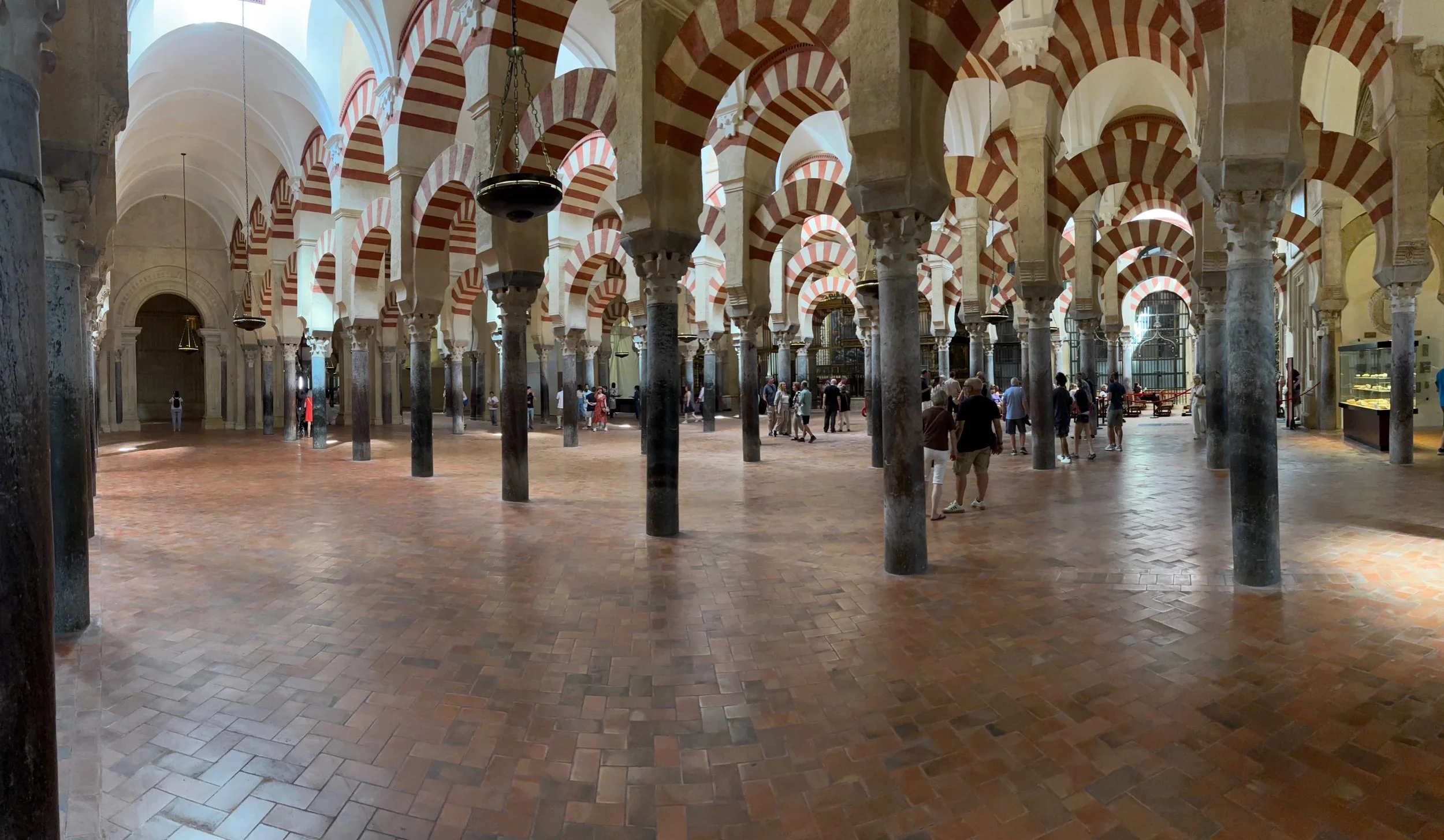
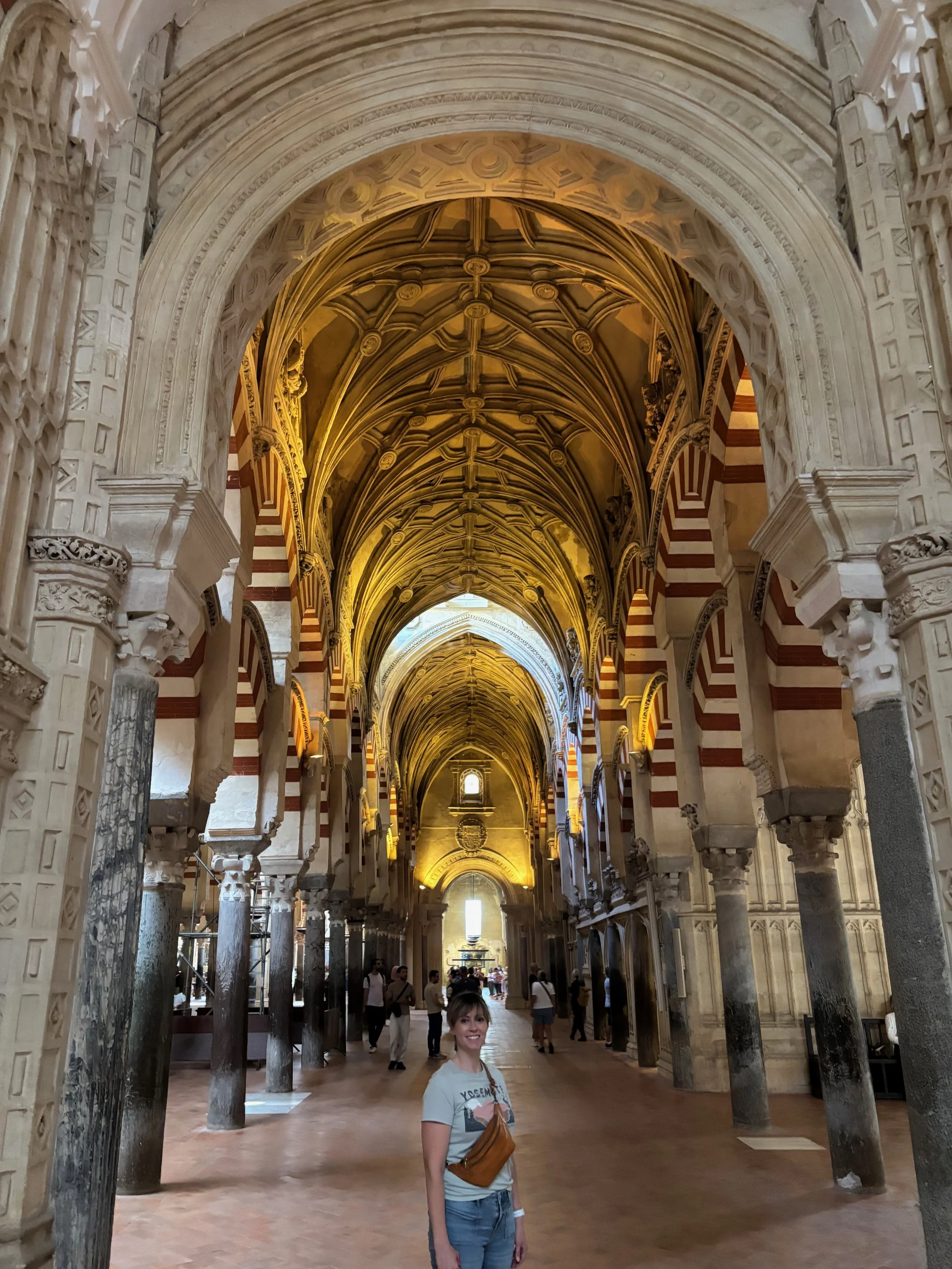
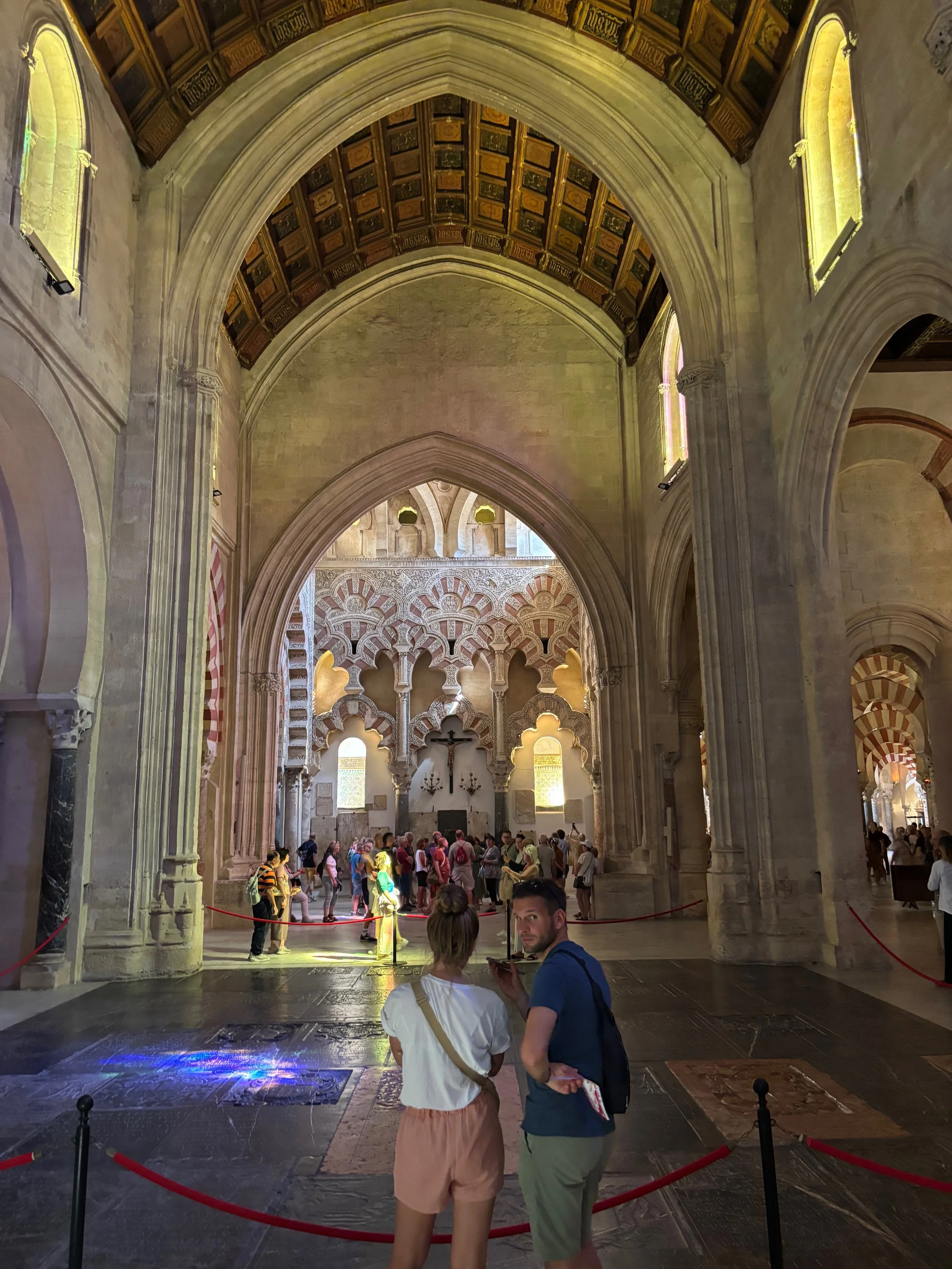
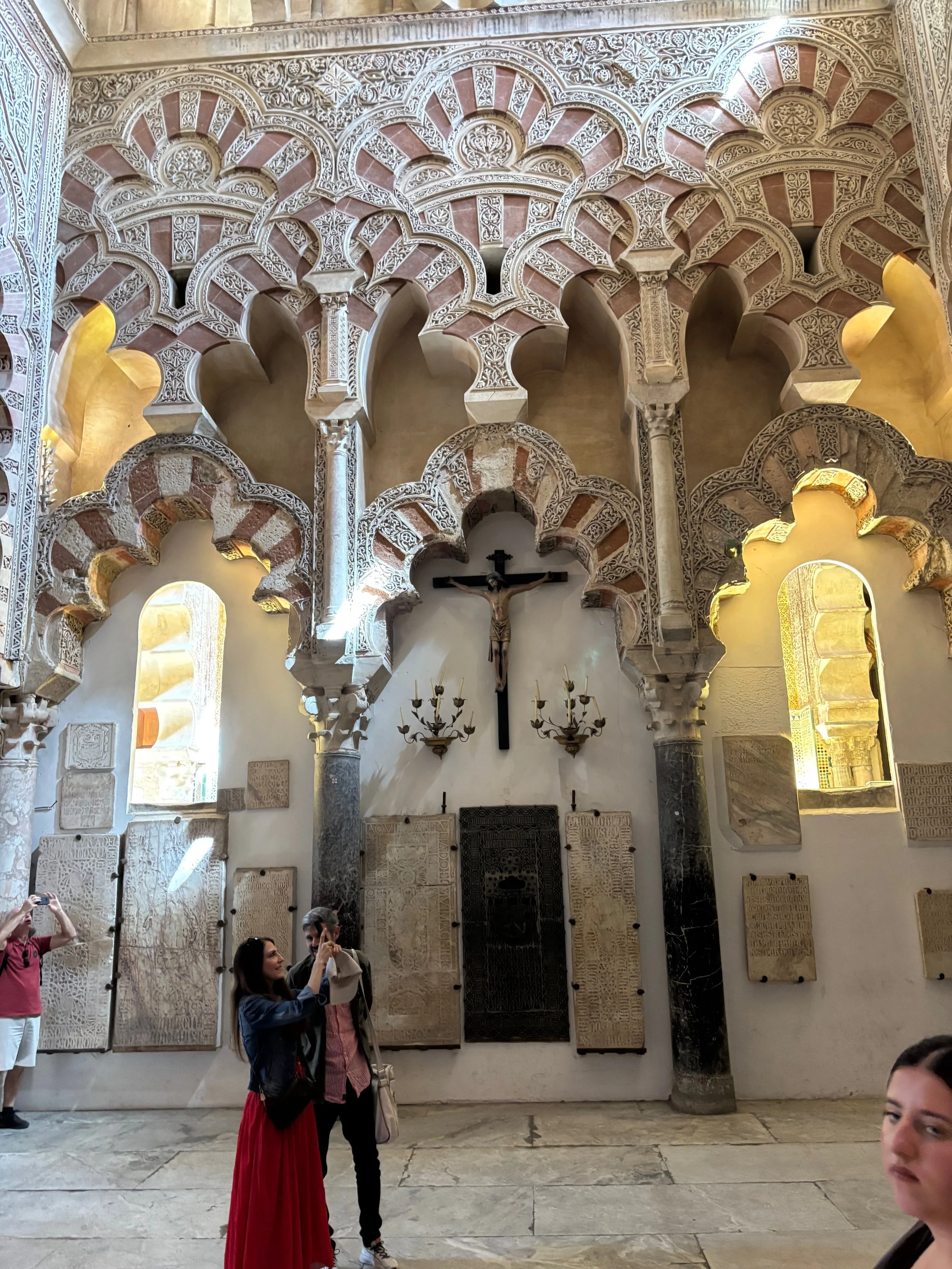
The Muslim Berber general Tariq bin Ziyad brought Islam to southern Spain in 711 CE when he and his armies crossed the narrow Strait of Gibraltar (from Jabal al-Tariq). Ziyad’s Muslim armies quickly dispatched the Visigoth rulers of southern Iberian Peninsula with relative ease and various Muslim-rulers would contest and control much of the region for the next 300 years. When the political refugee Abd al-Rahman I, one of the last surviving members of the Umayyad family, arrived in Al Andalus he used his royal pedigree to establish the emirate of Cordoba in 756. In the following decades, Cordoba would grow into a center of scientific, religious, and philosophical scholarship and its political power and influence spread throughout Al Andalus. In the tenth century, Abd al-Rahman III adopted the title Caliph, which was reserved for the rightful successor to the Prophet Muhammad’s empire.
The Emirs and Caliphs of Cordoba owed a great deal of their success to the Jewish community that thrived under their rule. These rulers employed and patronized large numbers of talented Jewish advisors, doctors, and scholars who helped advance Cordoba’s influence beyond its frontiers. Both the famed Maimonides (Musa Ibn Maimon) and Hasdai Ibn Shaprut, who was both the Caliph’s doctor and political advisor, were products of Cordoba’s Jewish community. Even though, Jewish scholars and advisors thrived in Al Andalus they were never equals with Muslims and there were certainly periodic outbursts of violence against them. The romanticized narratives of the Convivencia often glosses over the uglier parts of this history.
These narratives often ignore the nature of the social contract of the Medieval Muslim world. The Muslim rulers of Al Andalus, like those elsewhere, privileged the rights of Muslims above the dhimmi (protected non-Muslims) communities under their rule. Andalusia’s Christians and Jews enjoyed protected status which included basic freedoms of worship within certain social constraints. In the society of Al Andalus, Christians and Jews were expected to pay their taxes, pledge fealty to their ruler, adhere to social mores while avoiding blasphemy. Under this arrangement Jews and Christians enjoyed legal protections but those protections were always subordinate to a social hierarchy with Muslims at the top. Additionally, these legal protections were also subject to the varied interpretations of Islamic legal codes and the arbitrary desires of Muslim rulers.
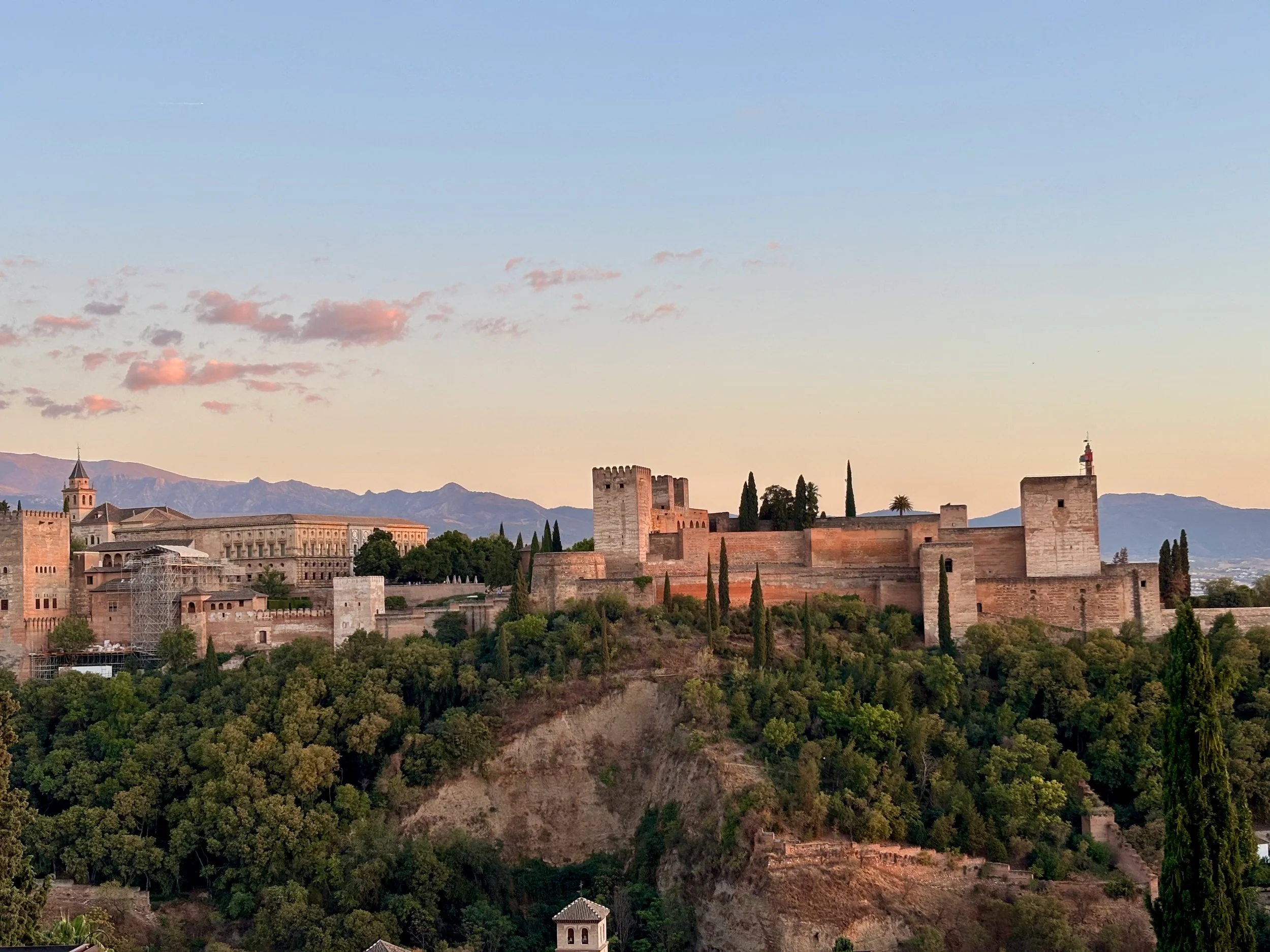
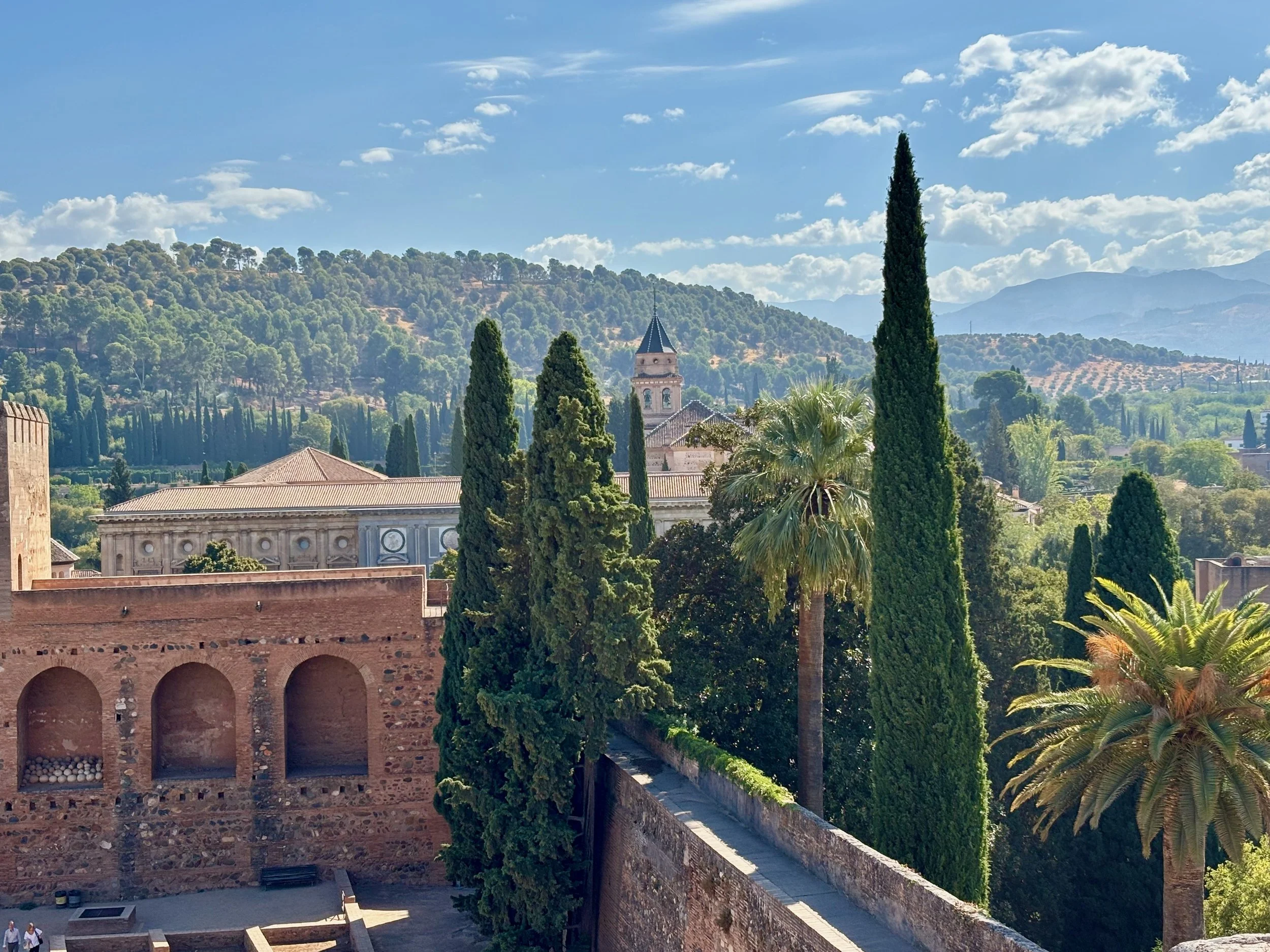
By the early 11th century, the politics of Al Andalus fractured and devolved into competing Islamic city-states, or Taifa kingdoms, like Toledo, Granada (famed for the Alhambra palace pictured below), and Sevilla. These Taifa kingdoms warred with each other, allied with neighboring Christian kingdoms, and fought petty wars impoverishing themselves. By the mid 11th century, the Muslims of Al Andalus would trade the relative tolerance of the Taifa kingdoms with the fundamentalism of the Almoravid and Almohad dynasties. Born in the Atlas mountains of present-day Morocco, the Almoravid and Almohads rejected the cosmopolitan nature of Al Andalus in favor of a puritanical interpretation of Islam. Under the new rulers, Jews and Christians were forced to pay higher taxes and mandated to wear specific clothes that distinguished them from their Muslim counterparts. The prejudices of the Almohads and Almoravids were not new, but they were amplified.
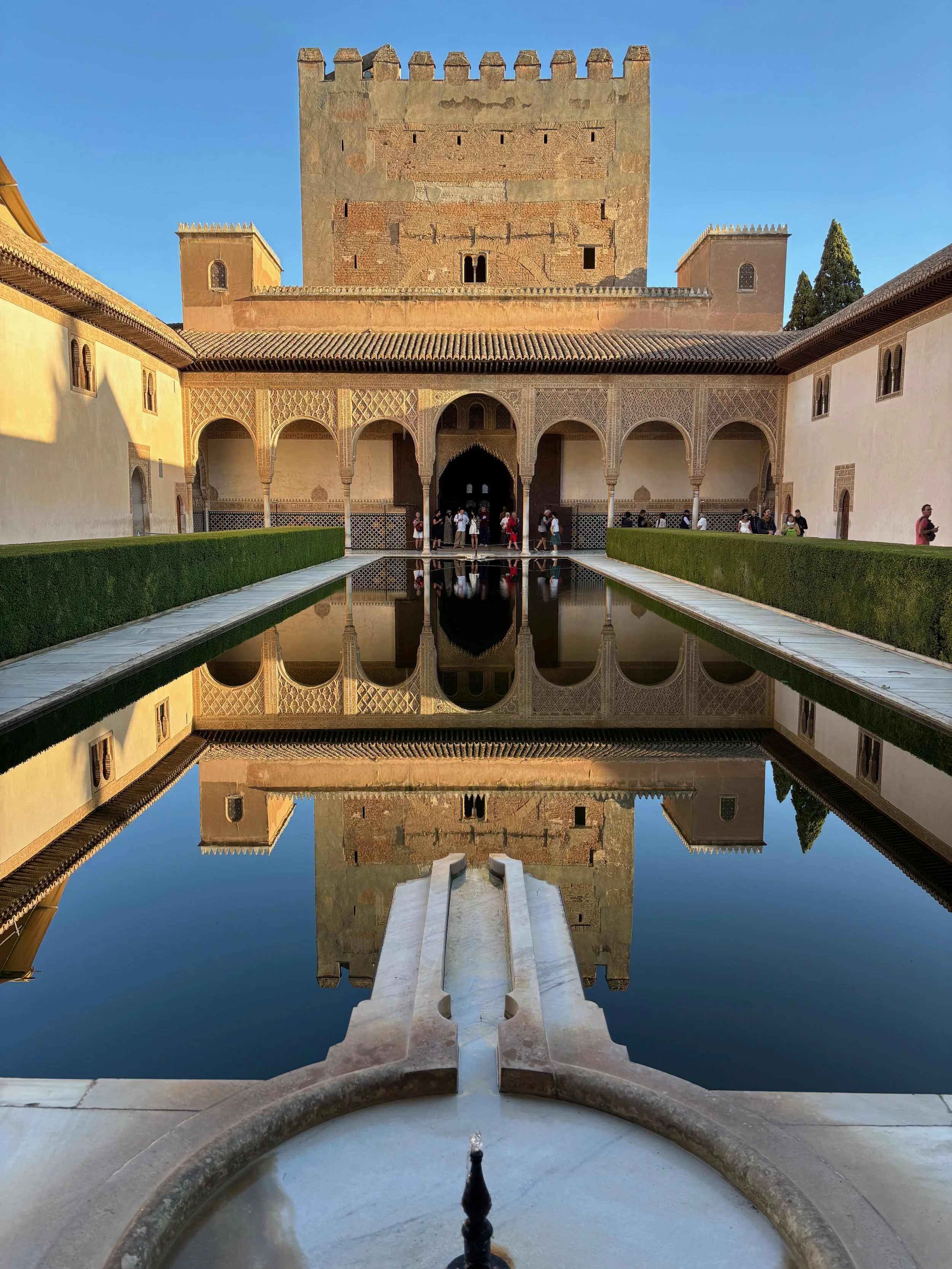
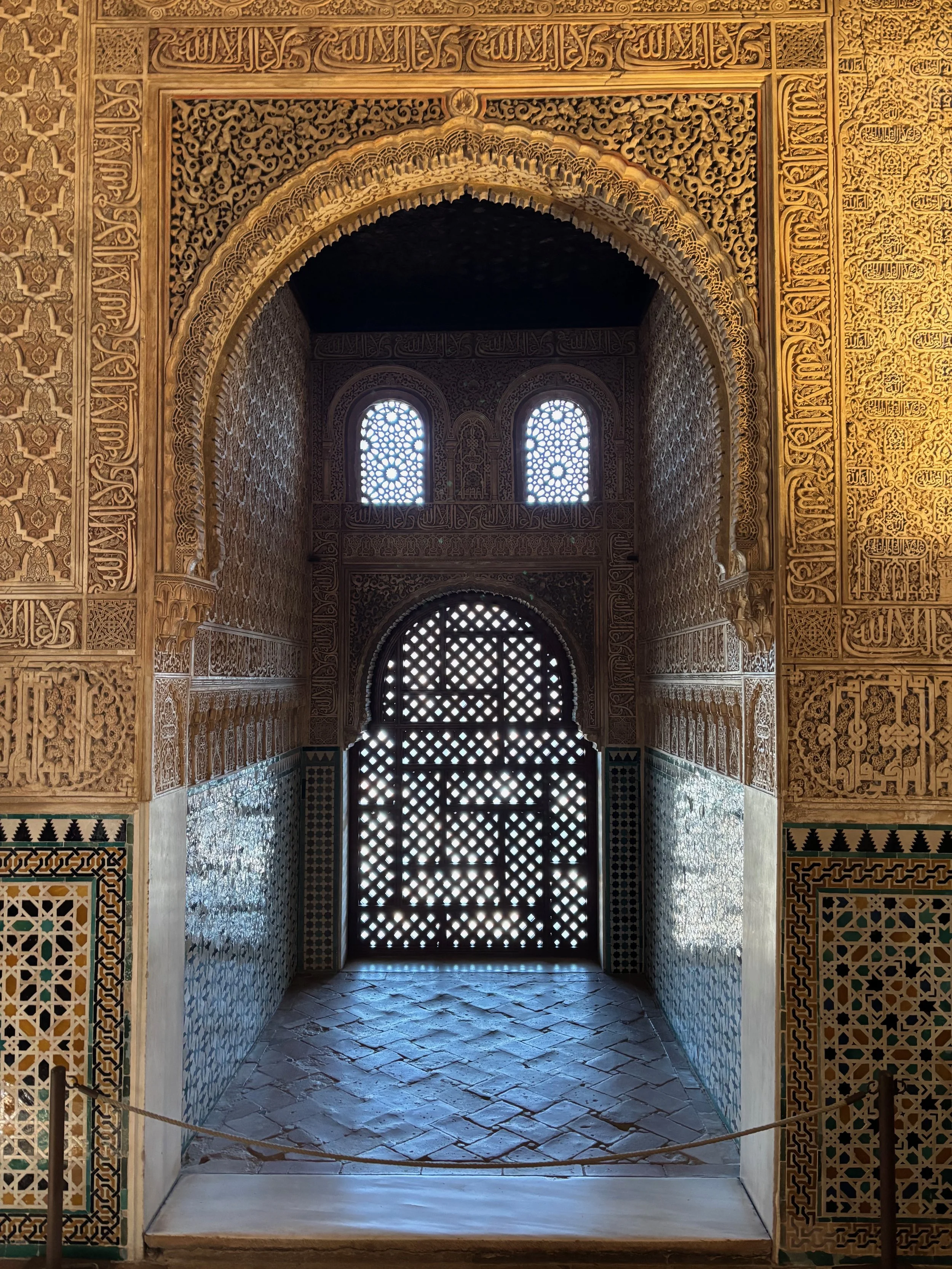

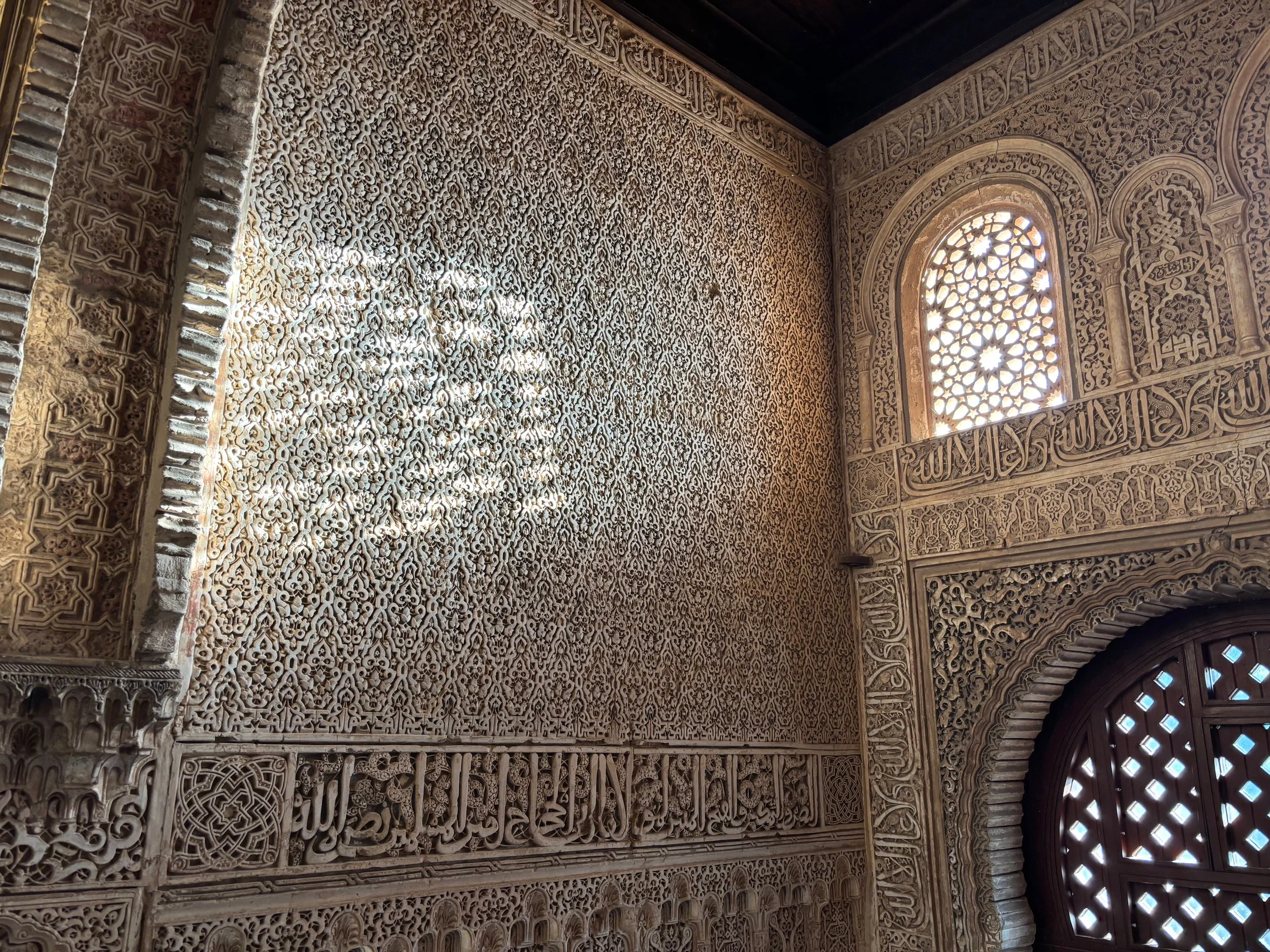
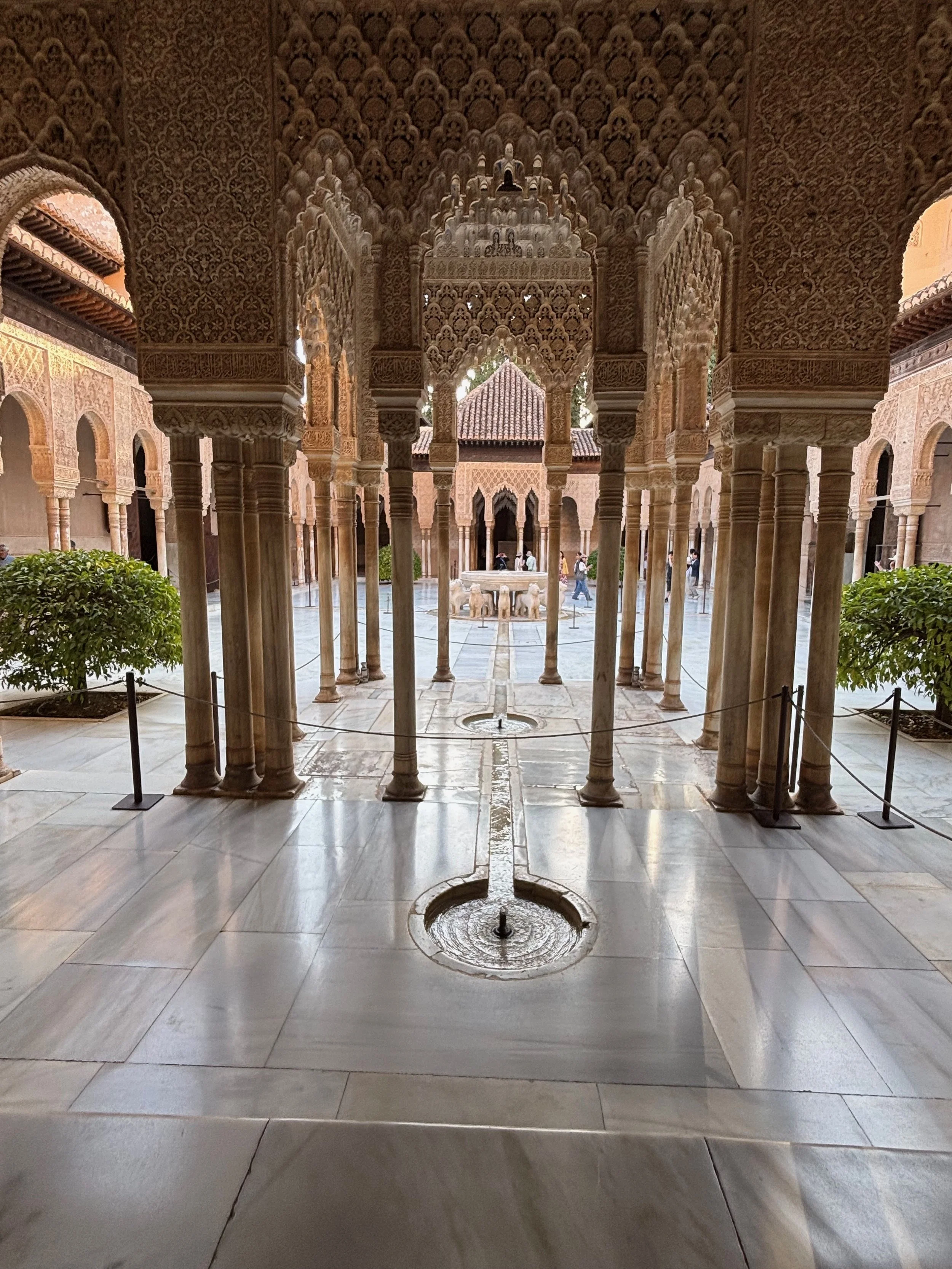
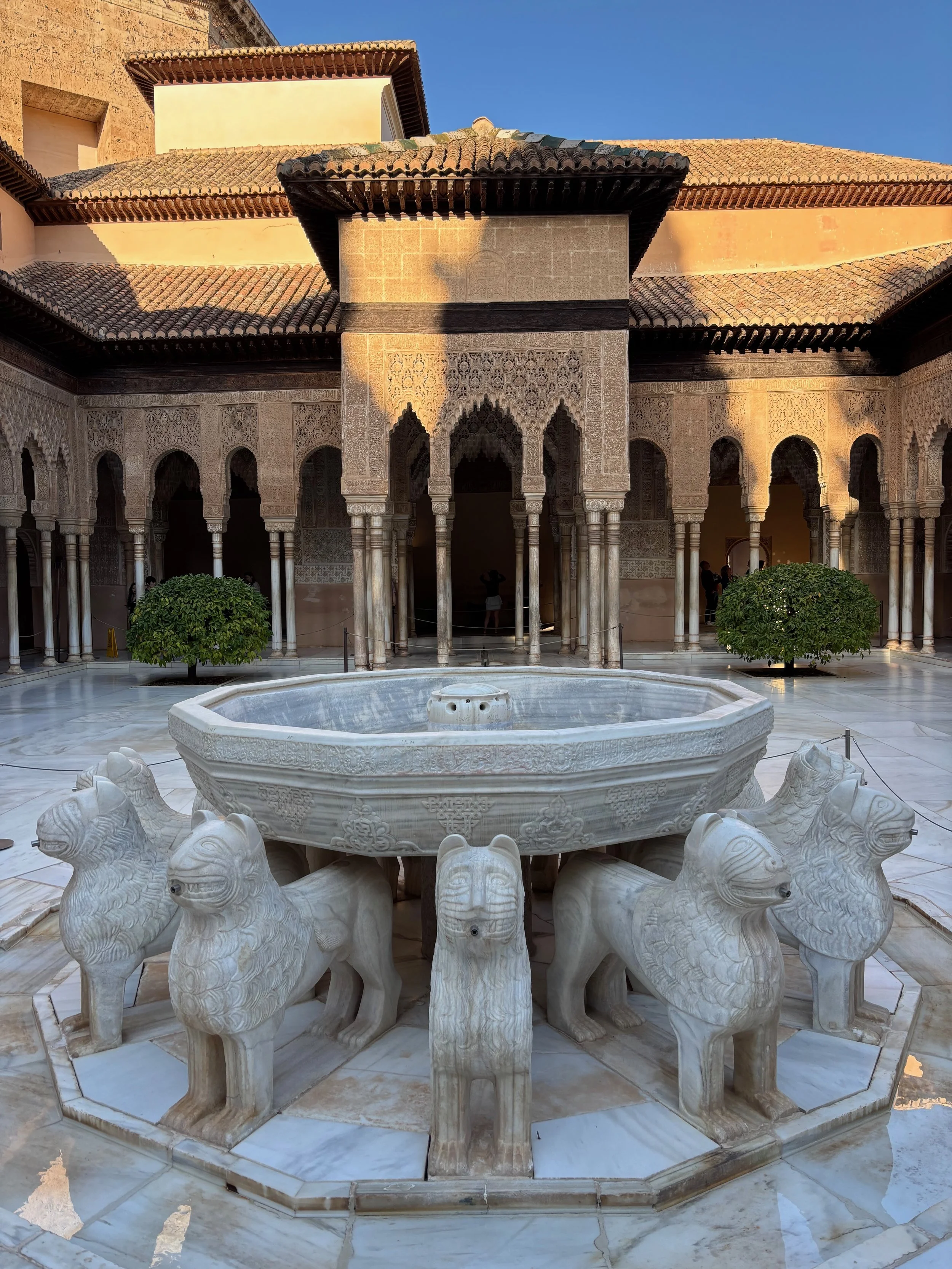
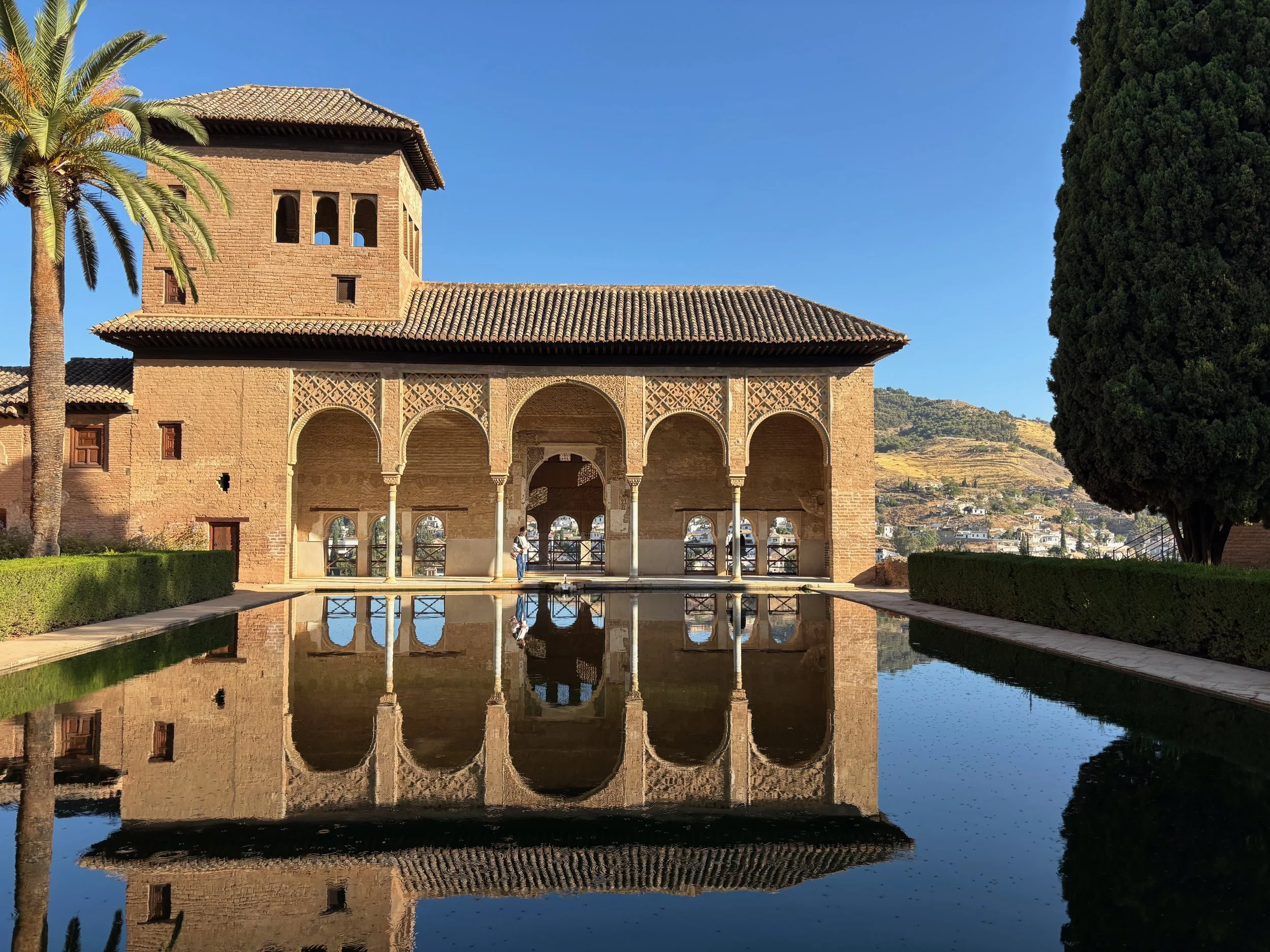
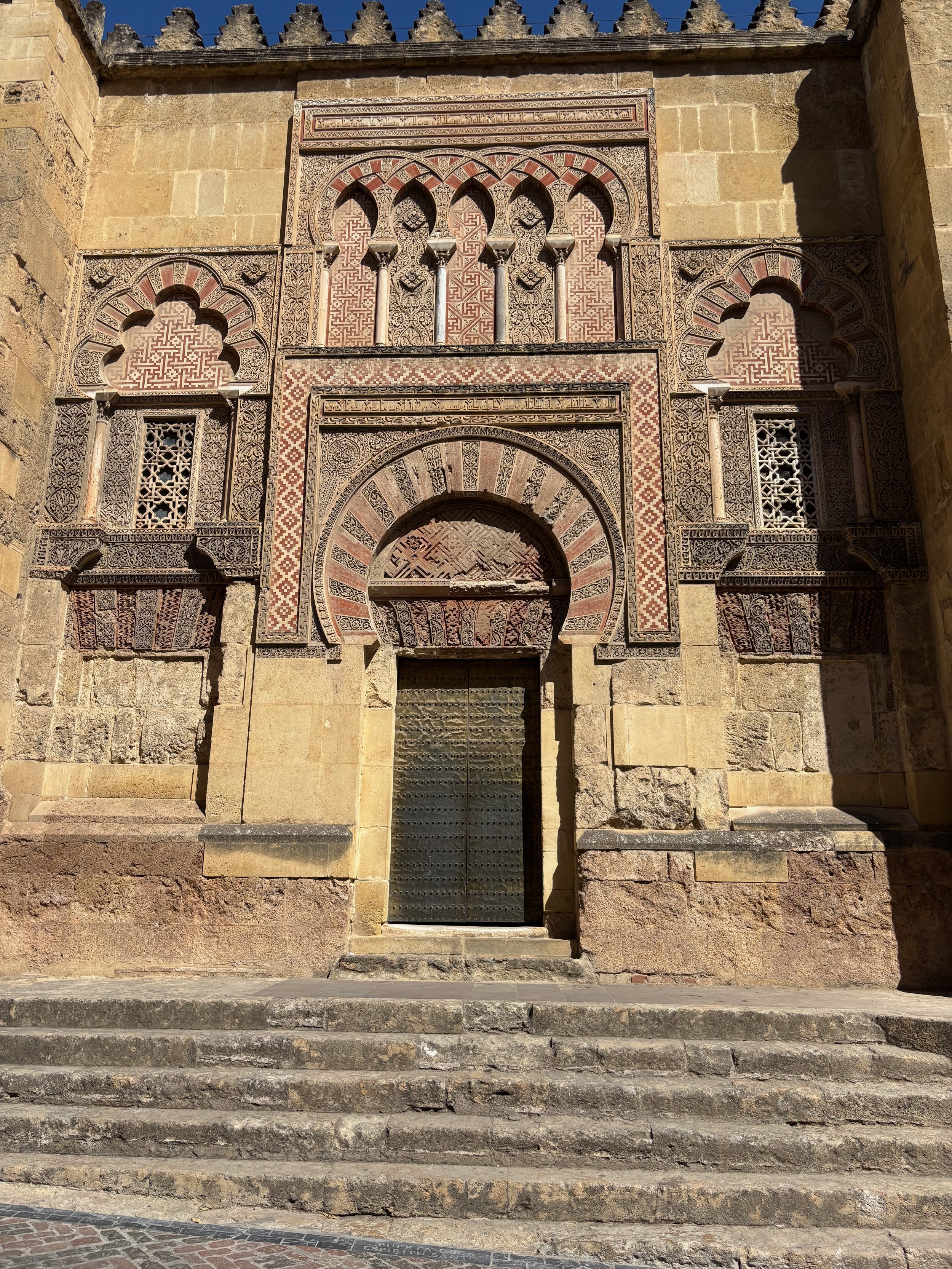
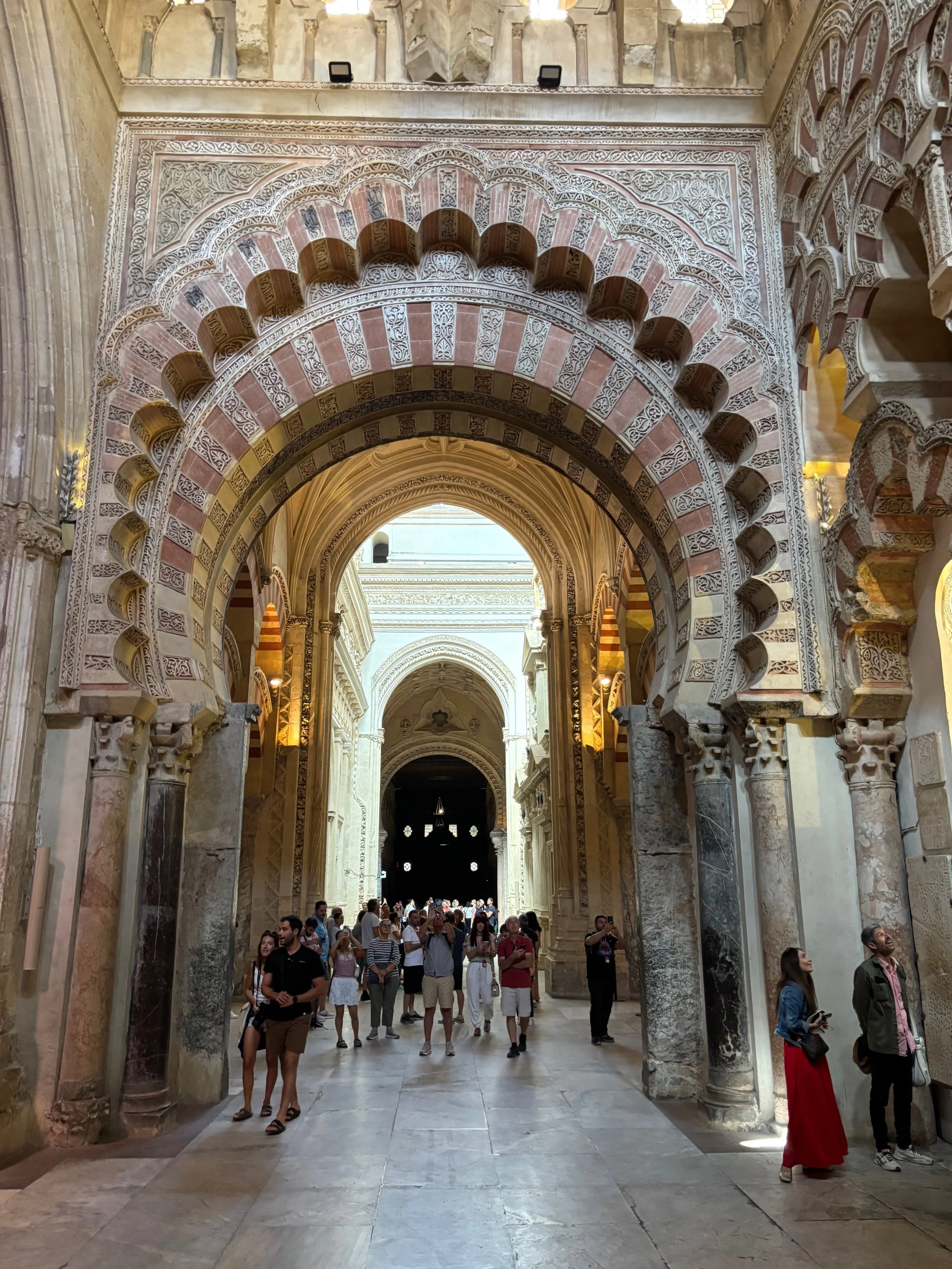
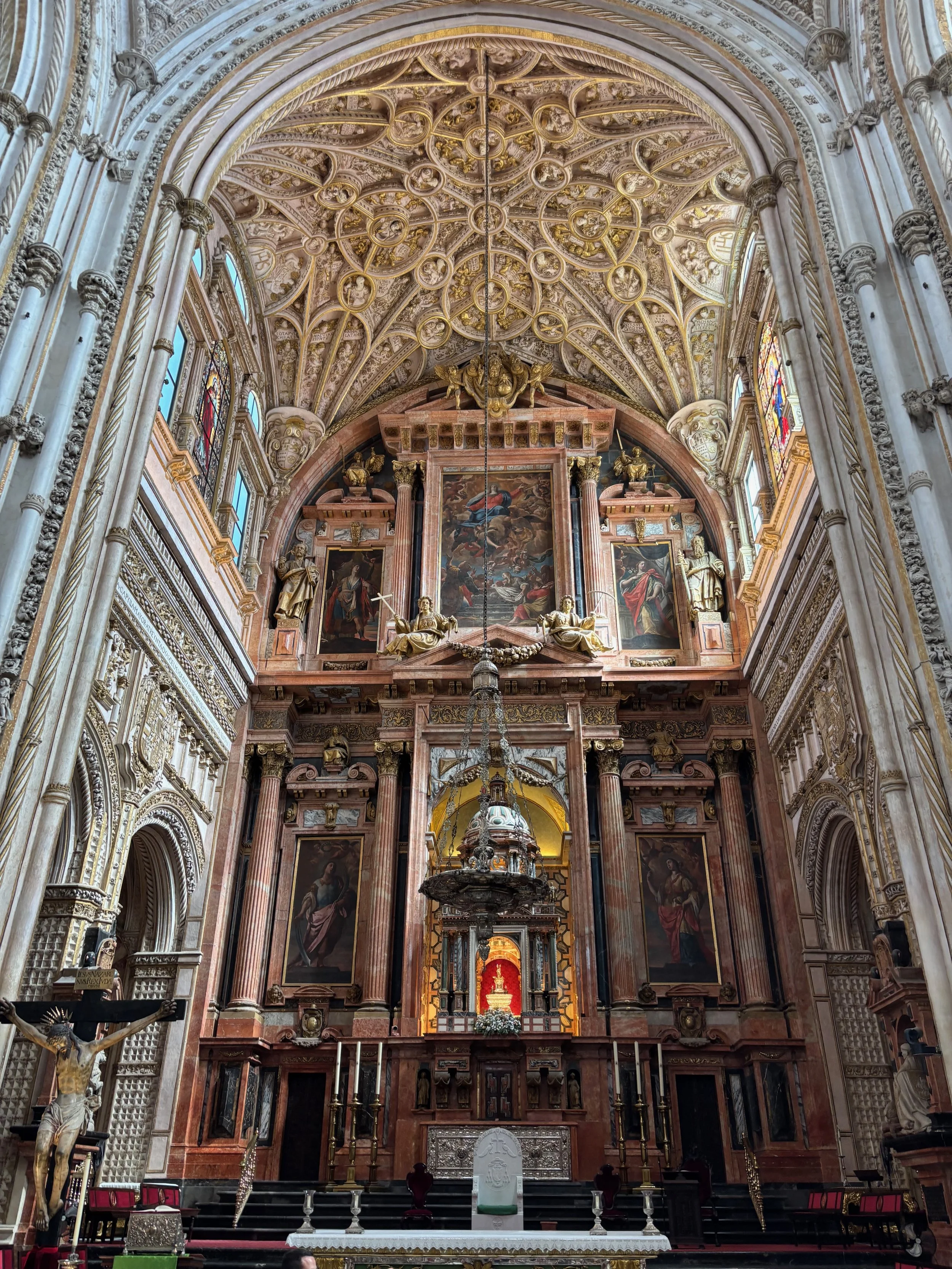
History is many things, notably the study of the past, but it is most of all contested. In the early modern period, Spanish historians proudly portrayed the Reconquista, as a valiant civilizational struggle to reassert Christian-rule over all the Iberian Peninsula. In this narrative, the success of the Reconquista is proof of divine providence and glorified the violence it produced celebrating figures like St. James Matamoros (literally the Moor slayer) and El-Cid. Just as a centuries earlier, Muslim conquerors transformed churches into mosques, Spain new Christian rulers transformed mosques into cathedrals (like the famed Mezquita in Cordoba) and blended Islamic craftsmanship with gothic architecture creating the mudejar style so common across southern Spain today.
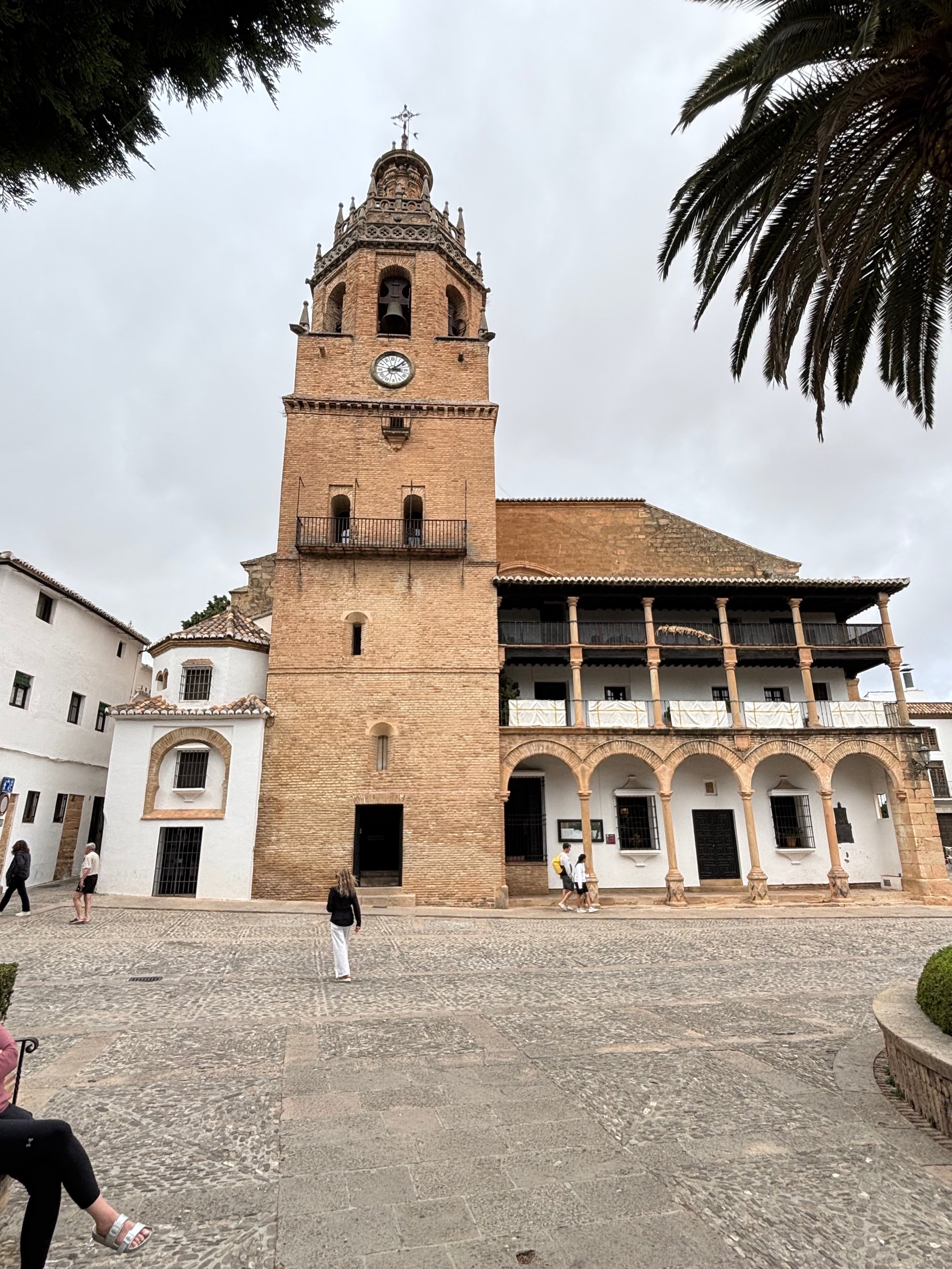
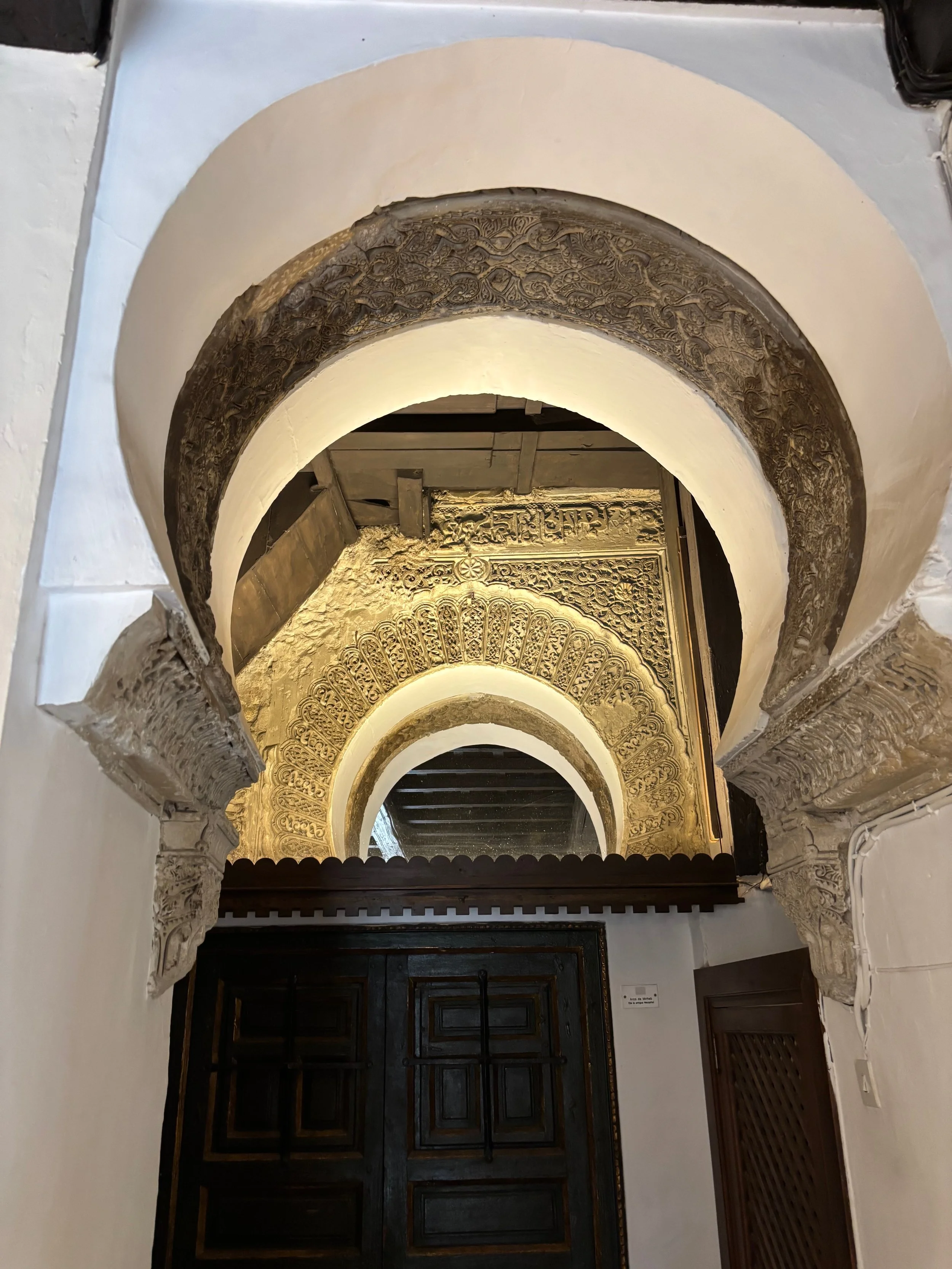
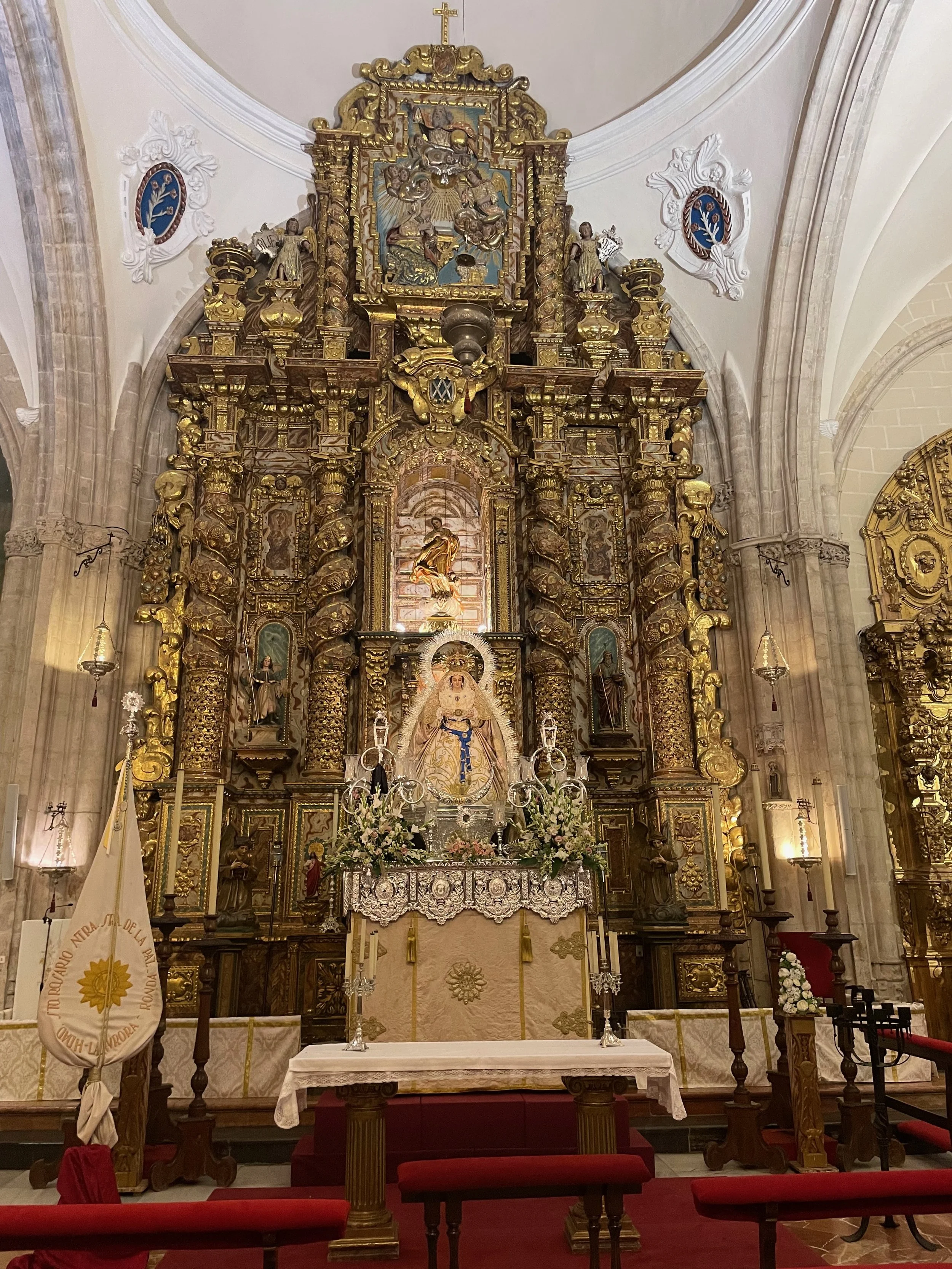
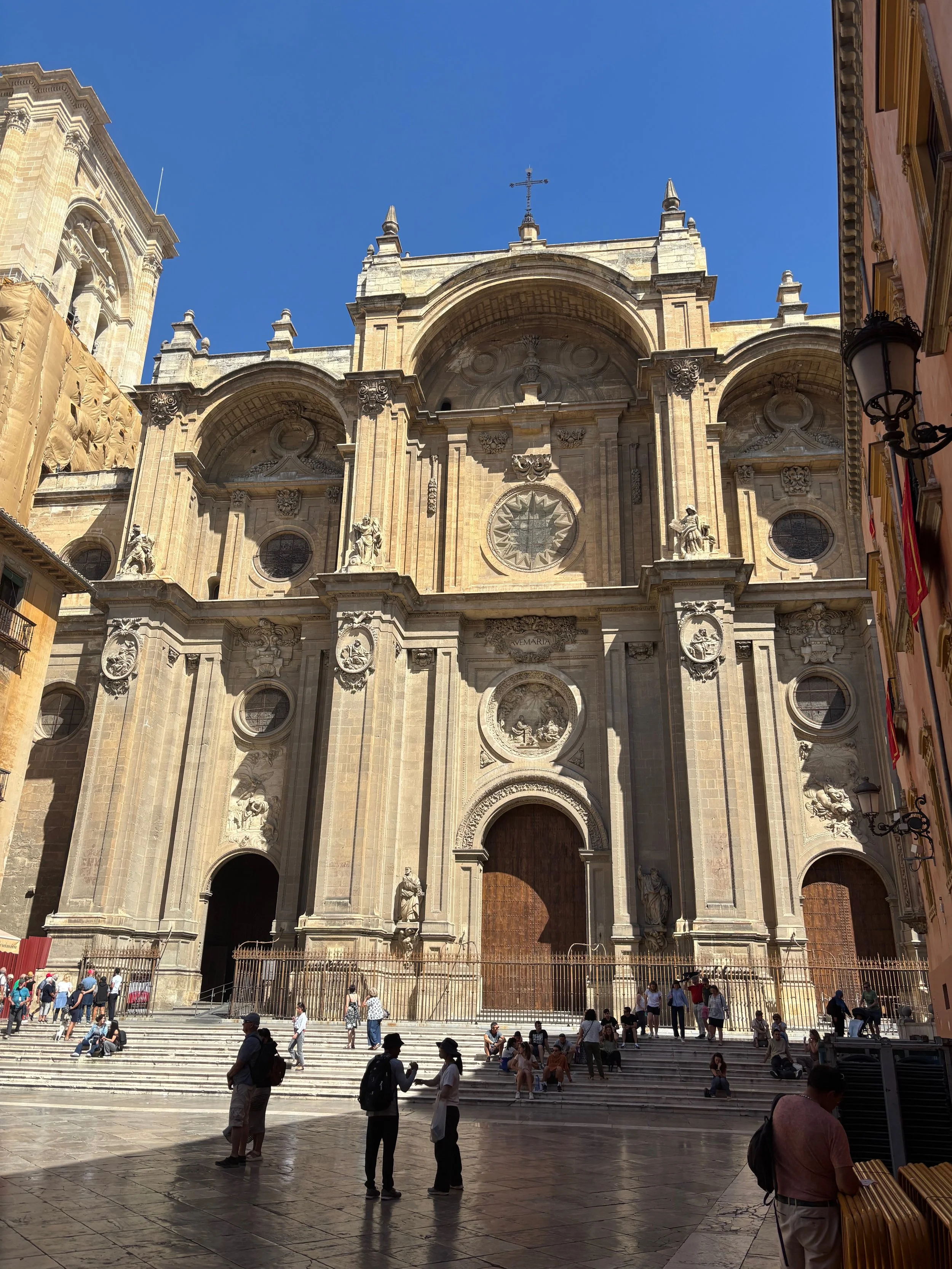
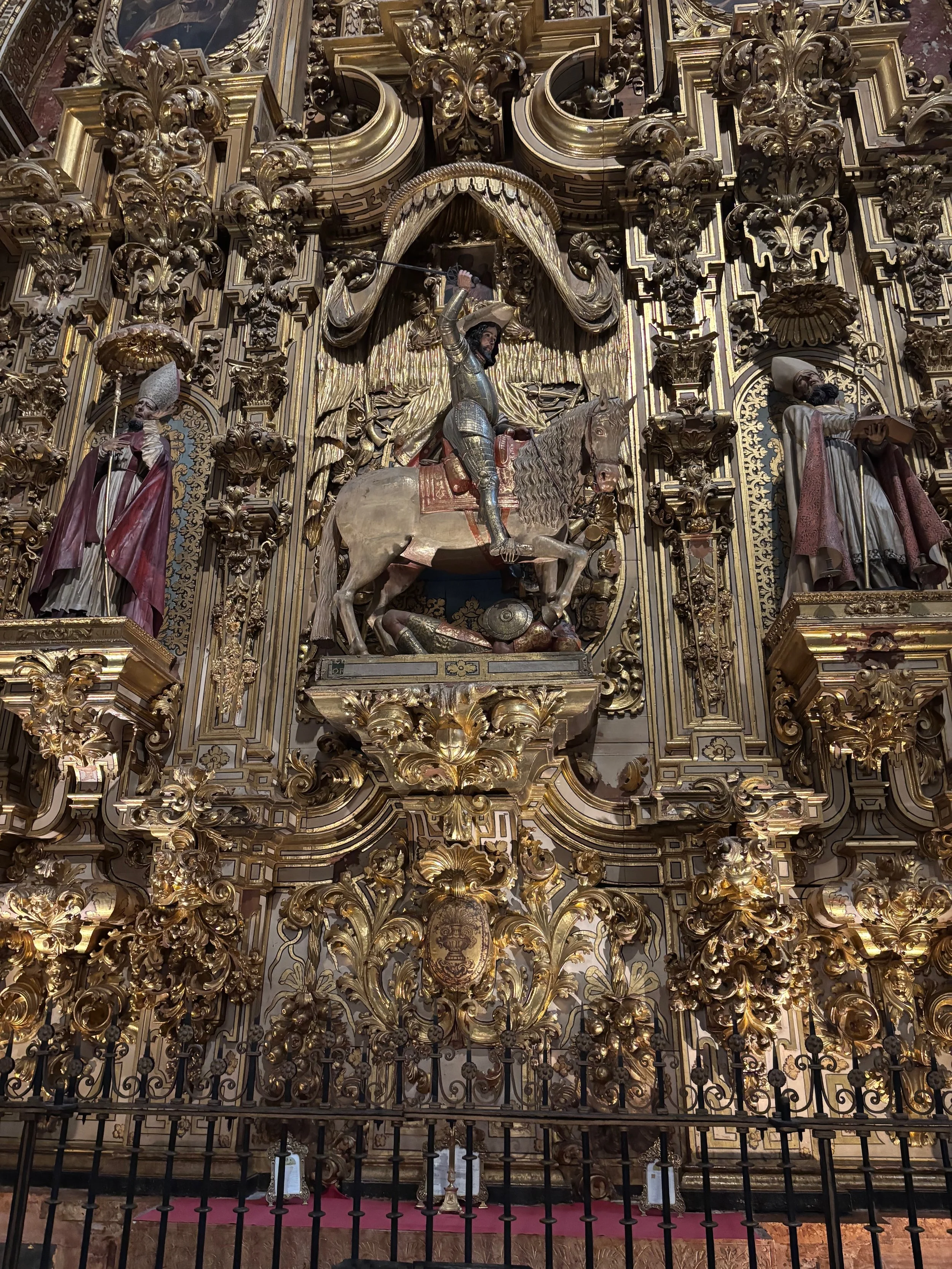
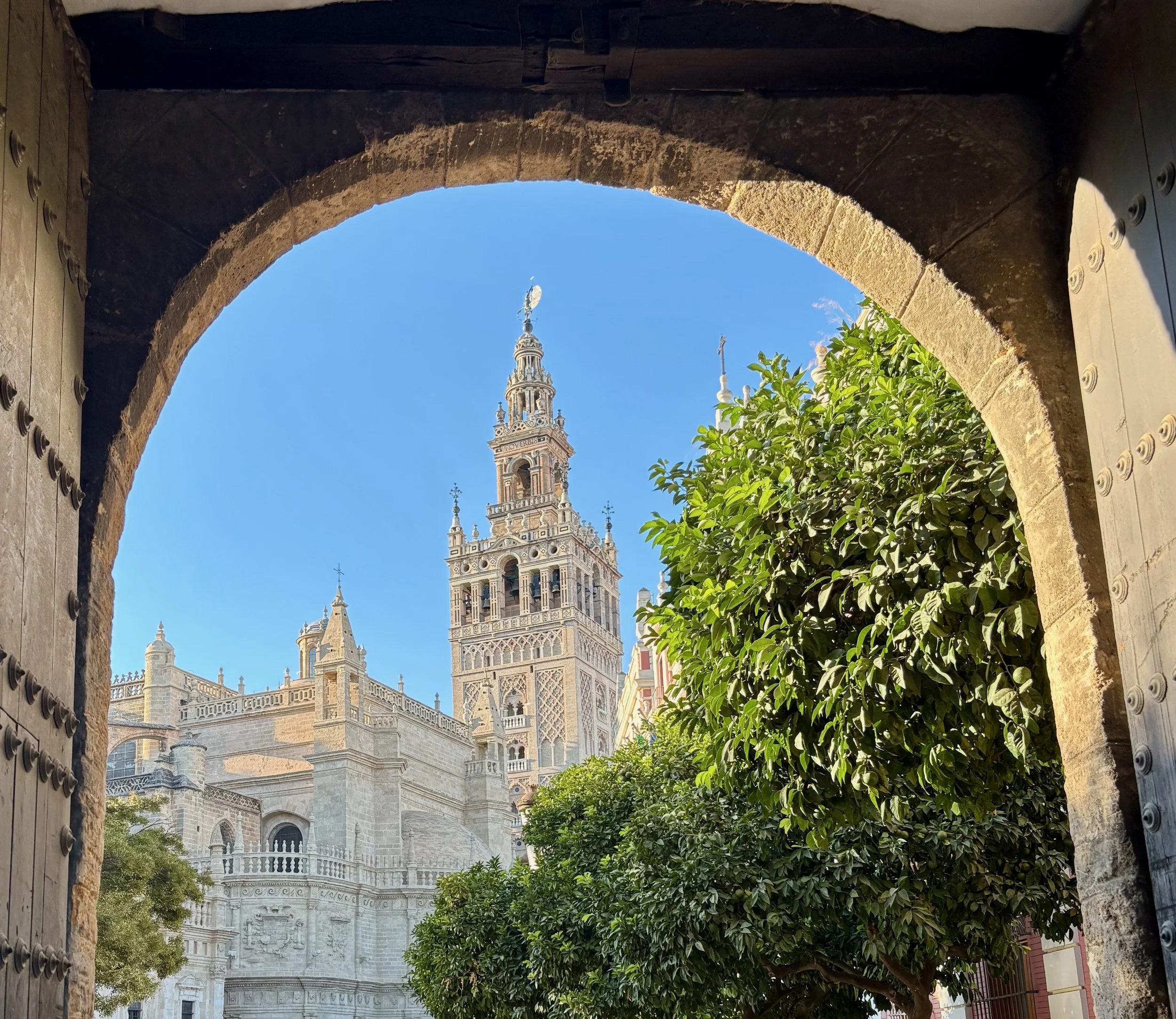
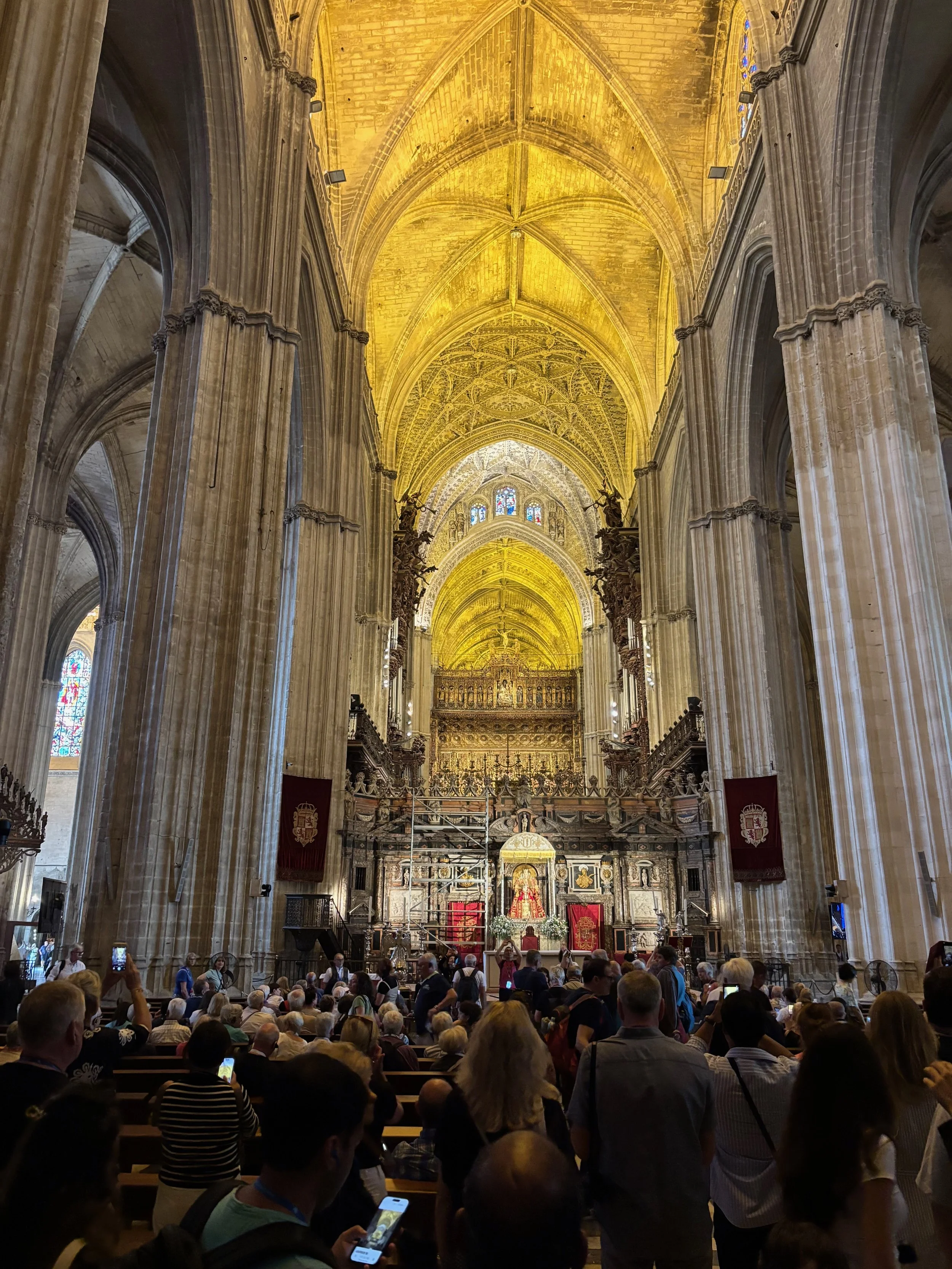
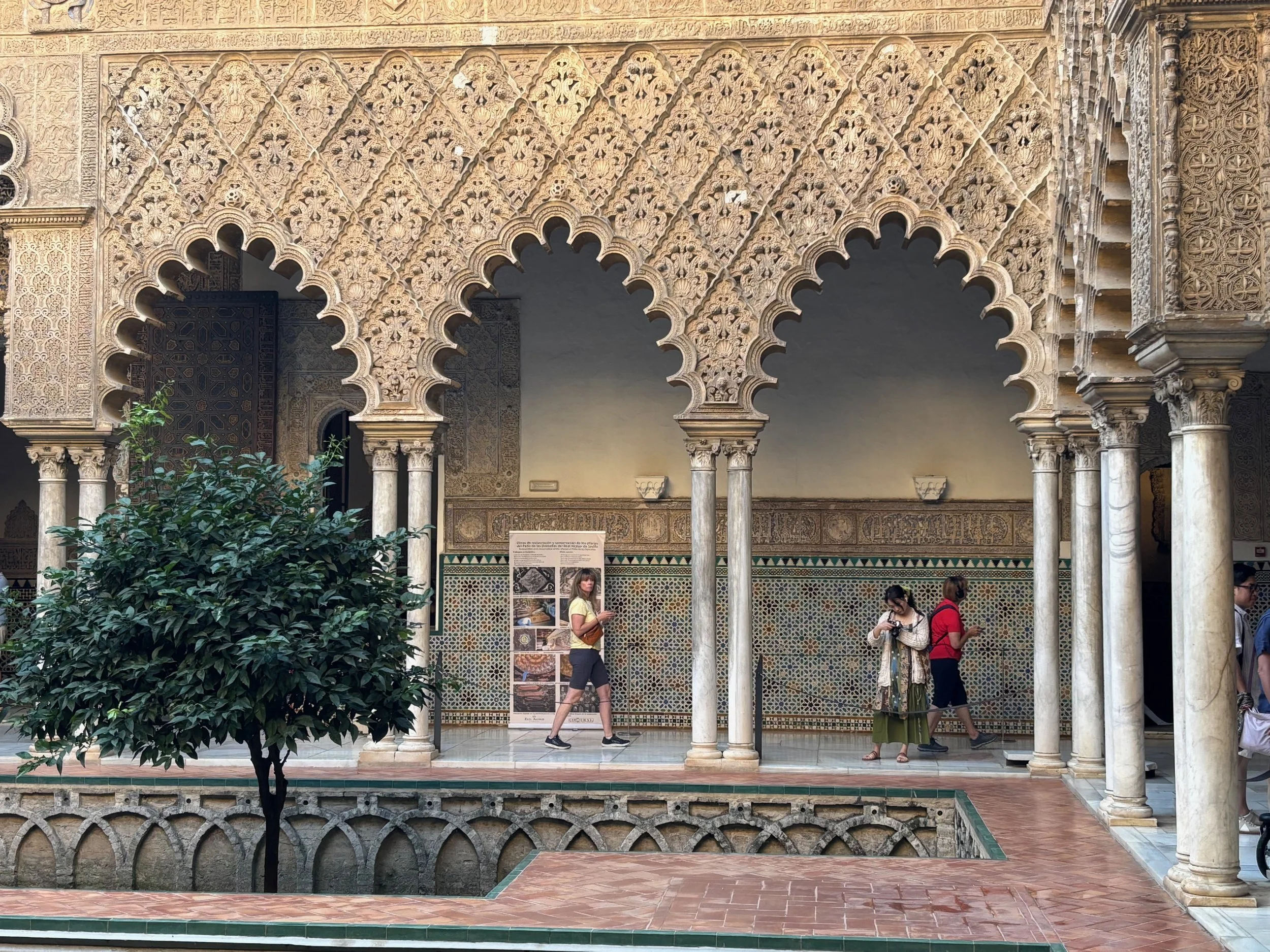
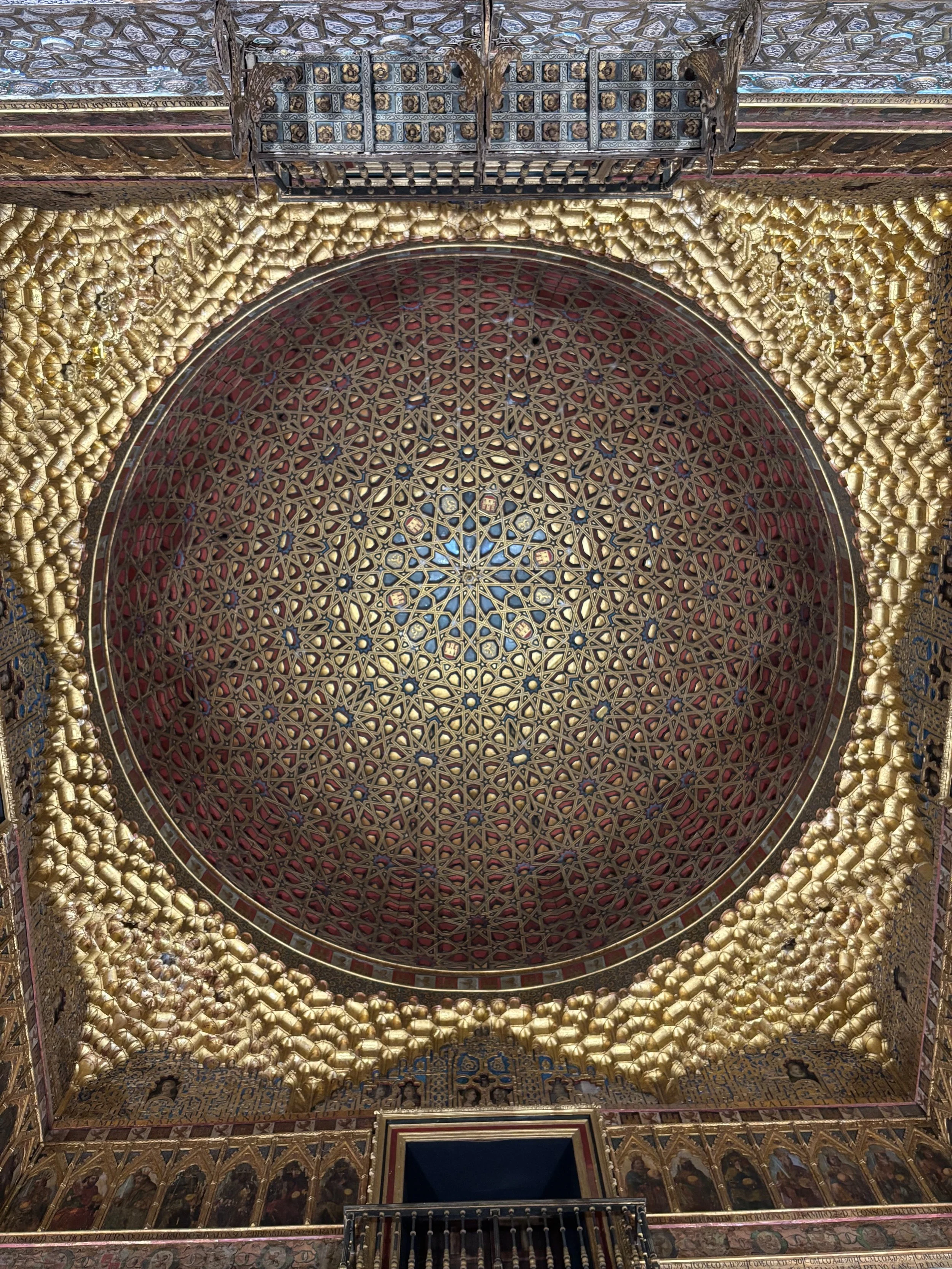
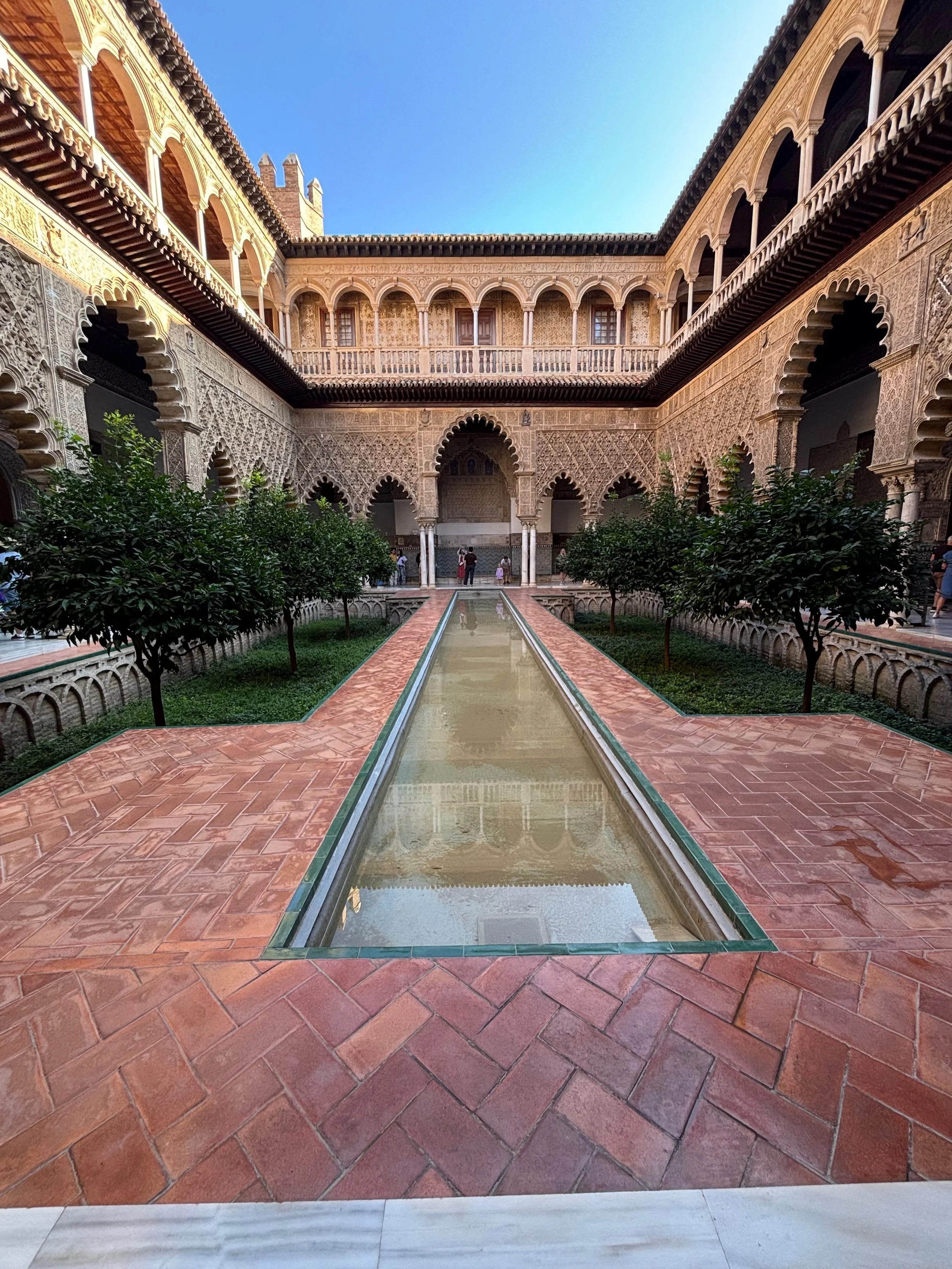
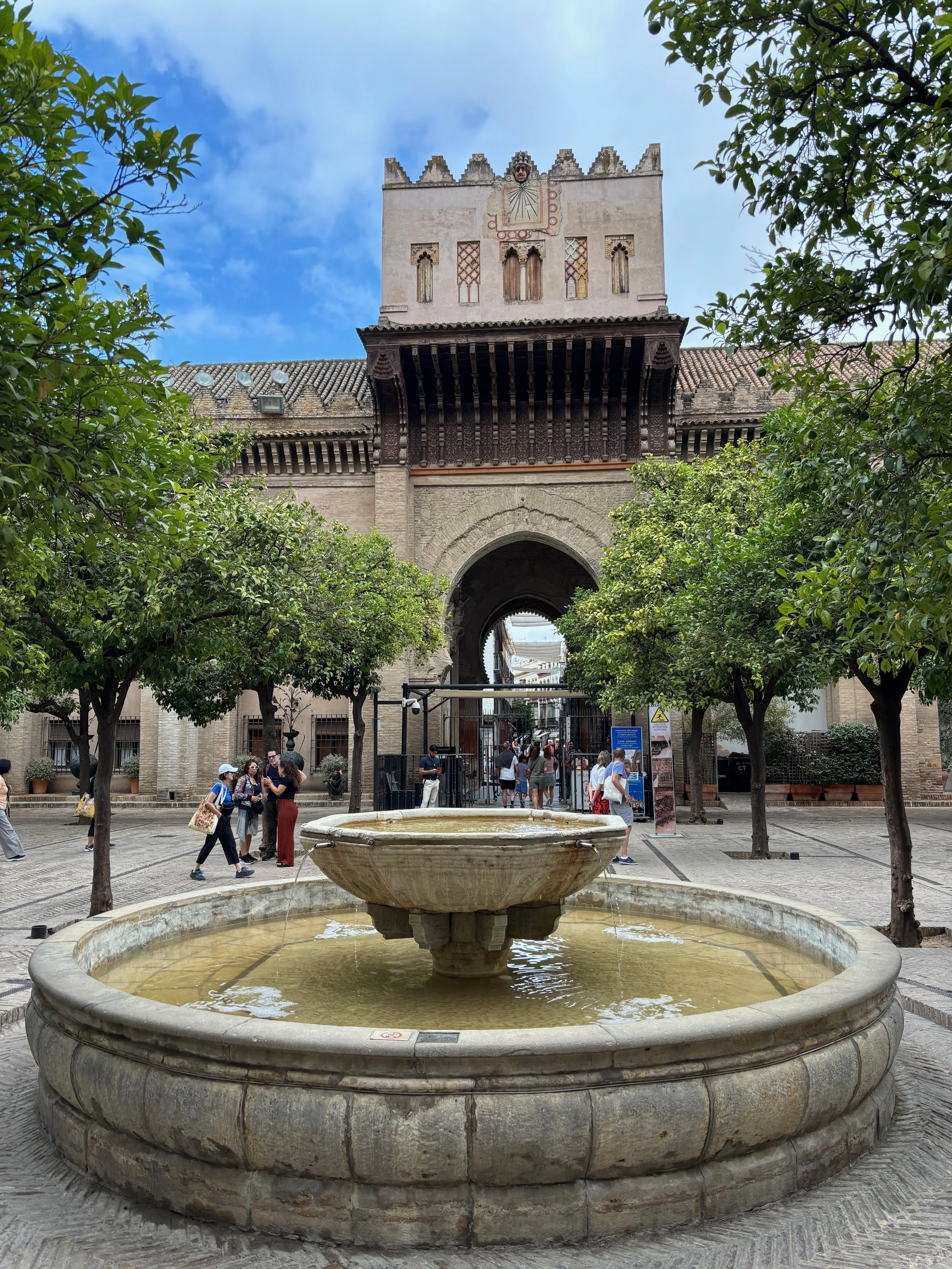
The narratives of both the Convivencia and the Reconquista are problematic in that they present a romanticized past that never really existed. These romanticized pasts are often asserted to support competing sides in our modern “Clash of Civilizations.” Historian Brian Catlos beautifully describes this in his book Kingdoms of Faith: A New History of Islamic Spain, saying:
“Sorting fact from tendentious myths and conjecture is crucial, for Islamic Spain is not only an important element in the history of the Mediterranean world, of Europe, of Islam, and of the West, but also remains of great significance today. Many politicians and public figures-and not a few scholars-continue to view the history of the West as one of a conflict between two fundamentally incompatible civilizations: a Christian (or, very recently, Judeo-Christian) one, and an Islamic one. This view exercises tremendous appeal because of both its simplicity and its self-validating quality, and it is often invoked by pundits and demagogues of all stripes as a justification for aggression and repression. For others, al-Andalus presents an idealized vision of premodern enlightenment that we in today’s supposedly less tolerant world we should emulate. But this too is a mirage. In Spain itself, right-wing politicians continue to draw on the ethos of La Reconquista - a potent national myth that conveniently justifies the domination of Castile over the other regions of the peninsula, even as tourist boards promote a sanitized vision of Spain as ‘the land of the three religions’ and of Christian-Muslim-Jewish harmony.”
The history of Al Andalus is so much more than the narratives of the Convivencia and Reconquista. The histories of Christians, Jews, and Muslims in the region are intertwined for both the good and the bad. It is not as simple as Moorish infidels and Christian saints or vice-versa. Such sanitized and simplified narratives contribute to overall historical illiteracy of Spain and the greater Mediterranean. The romanticizations of the Convivencia and the Reconquista are both so tempting because they promote an idealized past while robbing us of the complexities of the real world. As much as we may want to harken back to an idealized past, we are stuck with the reality that humans are complex and that human nature has not, nor will likely change dramatically in the coming future. Racism, sectarianism, bigotry, etc. are not new nor are they likely to disappear in the future. Militarism, violence, and the contestation of political and economic power are products of human nature as are tolerance, love, bravery, etc thus we should acknowledge the complexity of humanity in all its forms rather than ignoring the inconvenient historical facts when it suits us. Better understanding how past societies navigated and often failed to navigate these pitfalls will help us to better confront these challenges in our present and future. Romanticizing the past will definitely not.